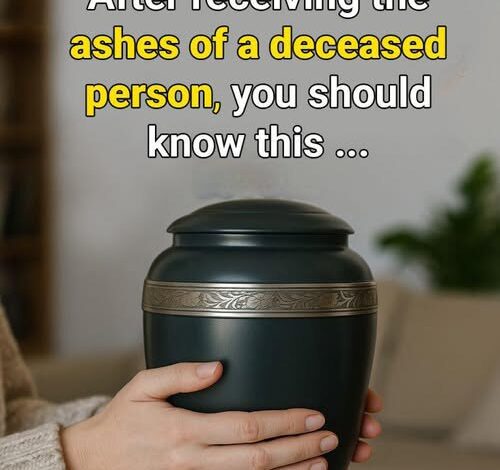
Losing someone you love creates a kind of silence that feels physical. It settles into rooms, routines, and moments you never expected to feel empty. In that space, people reach for what brings comfort, and for many, that means keeping a loved one’s ashes at home. As cremation becomes increasingly common, this choice raises questions that are less about rules and more about meaning, healing, and intention.
For some families, an urn placed on a shelf, beside a photograph, or near a candle becomes a quiet anchor. It is not about clinging to death, but about honoring a life that mattered deeply. Touching the urn, speaking aloud, or simply knowing that the person is still “near” can offer stability during a time when everything else feels unsteady. This is especially true for those who have lost a spouse or long-term partner. After years of shared space, shared habits, and shared silence, separation can feel unbearable. Keeping the ashes at home can soften that rupture.
Others find comfort in ritual. Lighting a candle on anniversaries, sitting nearby during moments of reflection, or incorporating the urn into a small memorial corner can create structure during grief. These practices help transform loss into remembrance, giving sorrow a place to rest rather than letting it spill into every part of daily life.
Spiritual and religious perspectives vary, and understanding them can help people decide what feels right without guilt or confusion. Many belief systems emphasize respect for the body and the soul while leaving room for personal conscience. Some spiritual traditions encourage returning ashes to nature—scattering them in water, forests, or meaningful landscapes—to symbolize release and continuity. From this perspective, letting go is seen as an act of love, allowing both the living and the departed to move forward.
Christian traditions, including Catholicism, now broadly accept cremation. The emphasis is not on the method, but on dignity and reverence. Ashes are encouraged to be kept in a respectful place rather than divided casually or treated as ordinary objects. Protestant communities often place greater focus on remembrance, prayer, and honoring the life lived, with fewer strict guidelines. Across denominations, the common thread is intention: the ashes are meant to represent a person, not an object.
Grief counselors tend to step away from doctrine and return to the human experience. Their guidance is simple but important: pay attention to how the choice affects your healing. For some, keeping ashes at home brings peace, grounding, and a sense of continued connection. For others, it can intensify grief, making it harder to adjust to life without the person physically present. Neither response is wrong. Grief is not linear, and what comforts one person may burden another.
If the presence of ashes begins to feel heavy rather than soothing, that may be a sign to consider an alternative form of remembrance. This does not mean abandonment or betrayal. It means adapting. Some families choose to create a memorial garden, plant a tree, or dedicate a bench or plaque in a meaningful place. Others donate to a cause their loved one cared about, transforming loss into ongoing impact. Memory books, curated photo albums, or personal rituals can also serve as lasting connections without the weight of physical remains.
Practical considerations matter as well, and thinking ahead can prevent unnecessary stress later. Choosing a durable urn protects the ashes and ensures they remain safe over time. If scattering ashes is part of the plan, it’s important to understand local regulations, which can vary by location and environment. Beaches, parks, and waterways often have specific rules designed to protect public spaces and ecosystems.
Family communication is another essential factor. Even when grief feels deeply personal, ashes often carry shared meaning. Talking openly about wishes—both now and in the future—can prevent misunderstandings or conflict later. Some families decide in advance what will happen to the ashes after the surviving partner passes away. Others choose to divide a small portion into keepsake urns or jewelry, allowing multiple people to hold a tangible reminder in a way that feels manageable and respectful.
There is also the question of time. Some people keep ashes at home temporarily, knowing that they will eventually choose a final resting place when emotions are less raw. Others keep them indefinitely. Neither choice reflects strength or weakness. It reflects timing. Grief changes shape, and decisions can change with it.
What matters most is resisting pressure—from cultural expectations, from other people’s opinions, or from rigid ideas about what is “right.” The question of where ashes belong is not answered by fear or obligation. It is answered by love, by what brings peace rather than pain, and by what allows the living to continue without feeling they have erased the past.
Keeping ashes at home does not mean refusing to move forward. Letting them go does not mean forgetting. The bond formed through love does not disappear with a physical choice. It lives in memory, in habits picked up unconsciously, in values passed on, and in the quiet moments when someone is remembered without effort.
Whether ashes remain in the home, are returned to the earth, or rest in a sacred place, the meaning comes from intention. From tenderness. From respect. From remembrance. The form may differ, but the connection endures, carried not in an urn or a location, but in the heart of those who loved and were loved in return.