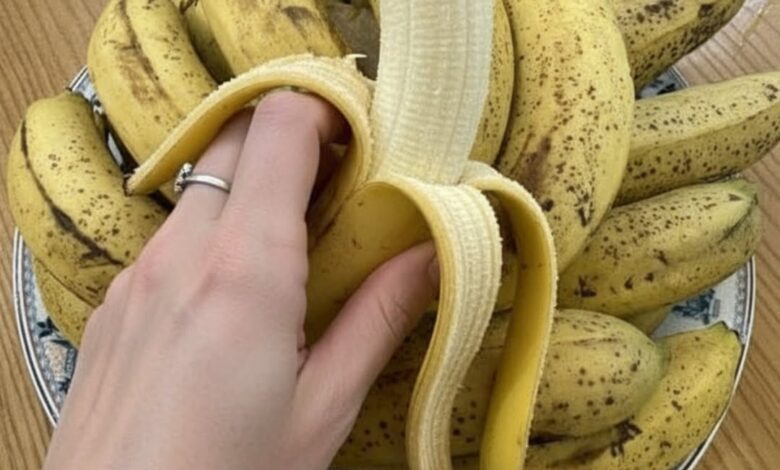
The humble banana is perhaps the most iconic breakfast staple in the modern world. It is the ultimate “fast food”—pre-packaged by nature, perfectly portable, and naturally sweet. For the commuter rushing to catch a train or the parent navigating a chaotic school run, the banana is a reliable ally. However, as our understanding of chrononutrition and blood sugar regulation deepens, nutritionists are beginning to look more closely at the consequences of the “solo banana” breakfast. While this yellow fruit is packed with vital nutrients, eating one on an empty stomach might not be the nutritional gold standard we once assumed.
To understand why a banana’s role in breakfast is so nuanced, we must first look at its internal chemistry. A medium banana is a powerhouse of potassium, magnesium, Vitamin B6, and fiber. Potassium is essential for maintaining a healthy heart and regulating blood pressure, while magnesium supports muscle relaxation and nerve function. However, bananas are also relatively high in natural sugars—specifically fructose, glucose, and sucrose—and starch. When consumed first thing in the morning, these sugars enter a digestive system that has been fasting for eight to ten hours.
One of the most immediate effects of a morning banana is a rapid surge in energy. This is often seen as a benefit, especially for those heading straight to a workout. The carbohydrates are converted into glucose quickly, fueling the brain and muscles. However, because a banana contains very little protein and almost no healthy fats, this energy is “unprotected.” Without these slower-digesting macronutrients to act as a buffer, the body processes the banana’s sugar rapidly, leading to a sharp spike in blood glucose followed by an inevitable insulin response. For many, this results in a mid-morning “crash”—that familiar wave of fatigue and irritability that leaves you reaching for a second cup of coffee or a sugary snack long before lunchtime.
Furthermore, the high magnesium content of bananas, while generally a health benefit, can be a double-edged sword when consumed in isolation on an empty stomach. Magnesium is known for its calming properties, which is why some people find a morning banana oddly relaxing. However, some researchers suggest that a sudden, concentrated influx of magnesium without the presence of other foods can interfere with the delicate calcium-magnesium balance in the blood, potentially affecting cardiovascular rhythm in highly sensitive individuals. While this is rarely a concern for a healthy person, it highlights the importance of dietary “layering”—the practice of eating different food groups together to ensure the body absorbs nutrients at a manageable pace.
Digestive sensitivity is another factor to consider. Bananas are often recommended for the “BRAT” diet (Bananas, Rice, Applesauce, Toast) because they are gentle on the stomach. Yet, for some, the high amount of pectin and fermentable fiber in a banana can stimulate the digestive tract a bit too aggressively when it’s the only thing present. This can lead to a feeling of acidity or mild bloating. The fruit’s natural sweetness, while refreshing, can also create an acidic environment in the stomach if not balanced by alkaline or neutral foods.
The secret to a truly effective “banana breakfast” lies in the art of the pairing. Think of the banana not as the entire meal, but as a high-quality fuel additive. By combining the fruit with a source of healthy fat and protein, you fundamentally change the way your body metabolizes it. When you slice a banana into a bowl of Greek yogurt, the protein in the yogurt slows down the absorption of the fruit’s sugars. If you spread almond butter on a banana or sprinkle it with chia seeds, the healthy fats provide a sustained release of energy, keeping your insulin levels stable and your satiety high.
For those who prefer a warm start, oats are the perfect companion. The soluble fiber in oatmeal creates a gel-like substance in the gut, which significantly delays the digestion of the banana’s natural sugars. This combination ensures that the “boost” you feel at 8:00 AM lasts until noon. Even a simple pairing, like eating a hard-boiled egg alongside your morning banana, provides the amino acids necessary to balance the fruit’s carbohydrate-heavy profile.
It is also worth noting the ripeness of the fruit. A slightly green banana contains more “resistant starch,” which acts more like a fiber and less like a sugar, resulting in a lower glycemic impact. As a banana ripens and develops those familiar brown spots, the starch converts into simple sugars. While the riper banana is easier to digest and contains more antioxidants, it is also more likely to cause that rapid blood sugar spike if eaten alone. Choosing a banana that is just yellow with a hint of green at the stem can provide a more stable energy curve for your morning.
Ultimately, the question of whether a banana is a good breakfast choice isn’t a simple yes or no; it is a question of context. For an athlete about to run five miles, a solo banana is a perfect, efficient fuel source. For a sedentary office worker sitting down for a four-hour meeting, that same banana might lead to a focus-killing energy dip by 10:30 AM.
The most important takeaway from nutritional experts is to listen to your “bio-individual” response. If you find that a morning banana leaves you feeling revitalized and full, then it is working for your unique metabolism. But if you find yourself struggling with hunger or brain fog shortly after eating, it’s a sign that your body is asking for a more complex chemical dialogue. By adding a handful of walnuts, a dollop of nut butter, or a scoop of cottage cheese, you transform a simple piece of fruit into a sophisticated, long-lasting engine for your day.
The banana remains a superstar of the produce aisle—it is affordable, nutritious, and undeniably delicious. By treating it as one piece of a larger nutritional puzzle, you can enjoy all of its benefits without the drawbacks of the “empty stomach” spike. Breakfast is the foundation of your day’s metabolic health, and with a little bit of pairing knowledge, the banana can be the most powerful brick in that foundation.


