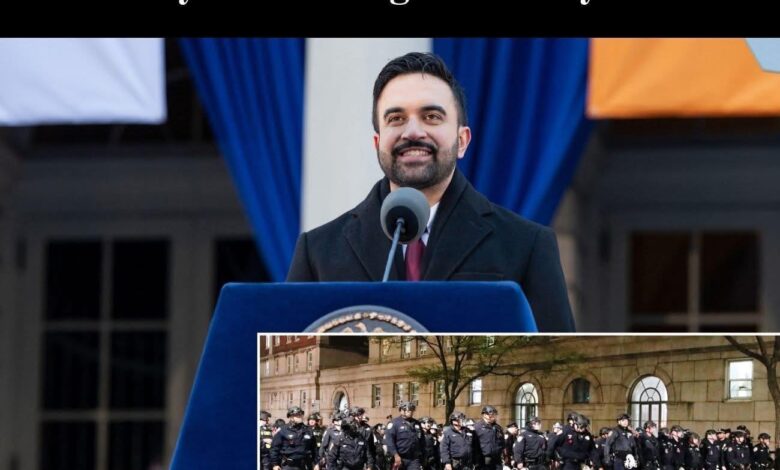
The investigation barely had time to begin before the story slipped out of the hands of facts and into the grip of narrative. By the time the first statements were completed, details no longer mattered. The image had already taken over: a cardboard coffin left in a cemetery near power, photographed, shared, interpreted, and repurposed at speed. The object itself was simple. The reaction to it was anything but.
Uniforms immediately became symbols rather than garments. To some, they represented order under threat. To others, authority manufacturing its own victimhood. Commentators rushed to explain what the box “meant,” though few paused to establish who placed it there, when, or why. The physical evidence faded quickly. What remained was projection.
In New York, the cemetery box turned into a kind of political mirror. Conservatives framed it as a warning shot, a rehearsal for violence, proof that chaos was being normalized. On the left, it was dismissed as theater—an overblown panic designed to criminalize dissent and distract from systemic grievances. The same image fed two opposing fears, neither of which required precision to spread.
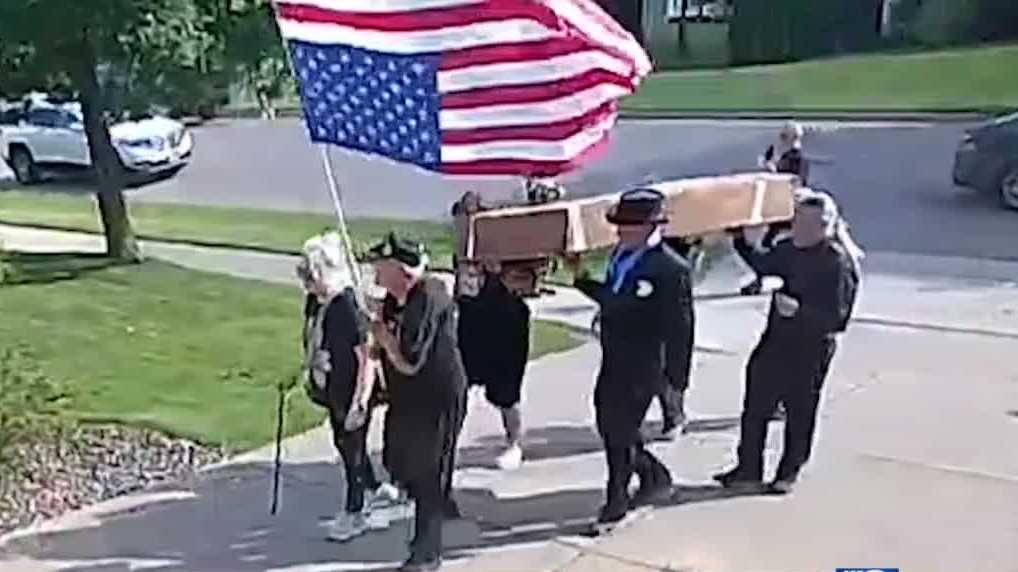
As the debate hardened, a single word began doing disproportionate damage. “Killers.” Torn from a chant, stripped of context, and pushed into headlines, it became an accusation rather than a fragment of speech. Algorithms did the rest. What may have once been part of a broader protest vocabulary was flattened into an implied threat. Nuance didn’t survive the compression.
Police unions responded defensively, invoking the sanctity of the uniform. Politicians echoed them, framing the incident as an attack not on individuals but on the concept of public safety itself. Activist organizers pushed back, arguing that symbolic protest was being deliberately misread to justify repression. Each side claimed moral urgency. Each side spoke past the other.
The object at the center of the storm—the box—stopped being evidence altogether. It became a canvas. Every faction painted its own meaning onto it, layering intention over uncertainty. No one asked the simplest question for very long: what actually happened? The city didn’t wait for answers. It waited for alignment.
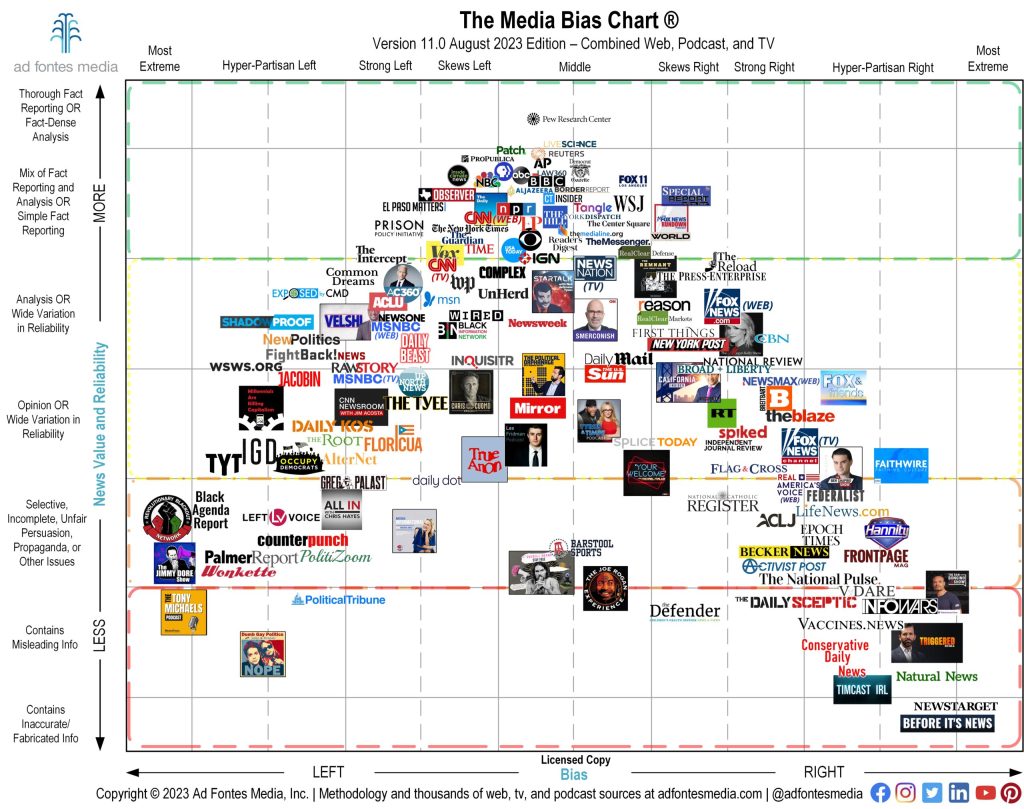
What was most striking wasn’t disagreement, but speed. The rush to interpret came faster than verification, faster than investigation, faster than restraint. In that acceleration, symbols hardened before facts could soften them. Once fixed, they resisted correction. The coffin was no longer cardboard. It was menace, or manipulation, depending on who told the story.
This is the cost of a city fractured not just by ideology, but by trust. When institutions and movements assume bad faith as a default, every gesture becomes hostile. A costume becomes a target. A protest becomes a threat. A uniform becomes both shield and provocation. The shared language needed to distinguish between them erodes.
Somewhere along the way, the idea of intent vanished. The conversation stopped caring who placed the box, whether it was meant as satire, protest, provocation, or something else entirely. Meaning was assigned in advance. Guilt became atmospheric. The cemetery, a place meant for closure, turned into a stage for unresolved conflict.
What lingered after the noise wasn’t clarity, but fatigue. A sense that every incident now arrives preloaded with conclusions. That outrage has become reflexive. That symbols are more valuable than substance because they travel better. In that environment, investigation feels almost ceremonial—performed, but rarely decisive.
The deeper question remains unanswered because it’s harder and less clickable: can a city this divided still tell the difference between symbolism and threat, between speech and violence, between critique and erasure? Or has everything collapsed into a single category of offense, interpreted solely through allegiance?
The box was removed. The cemetery returned to stillness. But the trust it exposed as already buried stayed buried. Not because of what was left there, but because of how eagerly it was used.