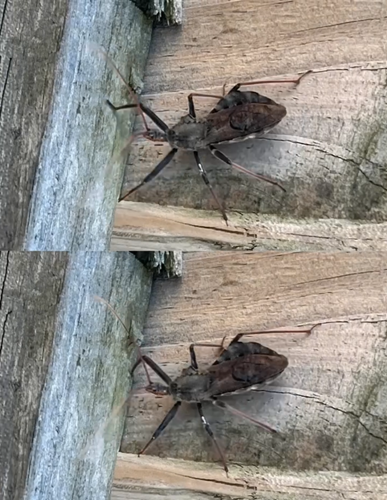
Summer is a season that brings warmth, long sunny days, outdoor adventures, family barbecues, and countless opportunities to enjoy nature. Hiking, camping, gardening, and evenings spent on patios or porches are hallmarks of the season. While most people prepare for sunburn, heat, and mosquitoes, many are unaware of other potential threats lurking in the natural environment—one of which is the assassin bug, commonly known as the “kissing bug.” Despite its seemingly benign nickname, this insect can pose serious health risks to humans and animals.
The danger stems from a parasite carried by the bug, Trypanosoma cruzi, which can cause Chagas disease, a potentially life-threatening illness that affects the heart and digestive system. Understanding the Kissing Bug. Kissing bugs belong to the Triatominae subfamily of insects and are primarily found in the Americas, including many parts of the southern United States. These insects are nocturnal and tend to feed at night, primarily on the blood of mammals, including humans, dogs, cats, and other household pets.
They are most often recognized by their distinctive dark bodies with light-colored markings, cone-shaped heads, and long legs. They earned the nickname “kissing bug” because they often bite around the mouth or face while their victims are sleeping, although bites can occur anywhere on the body. Kissing bugs are more than just an annoying insect—they can be vectors for Trypanosoma cruzi, a parasite that is transmitted through their feces. Infection usually occurs when the parasite-laden feces come into contact with a bite wound, mucous membranes, or broken skin. It is important to note that the bite itself does not transmit the parasite directly; rather, the risk arises from accidental transfer of the feces to the bite site or other openings in the skin.
Where Kissing Bugs Are Found
In the United States, kissing bugs are increasingly reported in states like Texas, Arizona, Louisiana, Mississippi, and Florida, although sightings have occurred in other southern and southwestern regions. They tend to hide in warm, sheltered locations during the day, including:
-
Under porches, decks, or outdoor furniture
-
In woodpiles, storage sheds, or garages
-
Behind walls, inside cracks, or under eaves
-
In cluttered areas of homes or outdoor spaces
Pets can inadvertently bring kissing bugs closer to the home, especially if they spend time in yards, kennels, or outdoor spaces where bugs are present. By understanding their preferred habitats, homeowners can take proactive steps to prevent infestations and reduce exposure.
Preventive Measures at Home and Outdoors
Protecting your household from kissing bugs involves a combination of cleanliness, maintenance, and vigilance. Here are key strategies to reduce the risk of encounters:
-
Maintain Clean Outdoor Spaces: Remove debris, woodpiles, and clutter from around the house. Clear tall grass and weeds to reduce hiding places for insects.
-
Seal Entry Points: Inspect doors, windows, screens, and foundations for cracks or gaps. Repair damaged screens and seal openings that could allow insects inside.
-
Monitor Pets: Check pets regularly for insect bites, especially if they spend time outdoors. Keep kennels clean and away from areas where kissing bugs are likely to hide.
-
Lighting Awareness: Outdoor lights can attract insects, including kissing bugs. Consider using yellow or sodium vapor bulbs, which are less attractive to insects.
-
Nighttime Precautions: Use bed nets in areas where kissing bugs are known to live, especially in rural or wooded environments.
Even with these precautions, complete avoidance is not always possible, so awareness and early detection are critical.
Symptoms and Risks of Chagas Disease
Chagas disease progresses in two stages: acute and chronic. The acute phase occurs shortly after infection and may be mild or asymptomatic, often going unnoticed. When symptoms do appear, they may include:
-
Fever and fatigue
-
Headache or body aches
-
Swelling or redness at the bite site
-
Rash or localized swelling of lymph nodes
Because these early symptoms are nonspecific, many cases go undiagnosed. If left untreated, the disease can progress to the chronic phase, sometimes years or decades later, leading to serious complications such as:
-
Heart rhythm abnormalities, enlargement of the heart, or heart failure
-
Gastrointestinal complications, including enlargement of the esophagus or colon
-
Sudden cardiac events in severe cases
Children, older adults, and individuals with weakened immune systems are particularly vulnerable to severe complications. Prompt diagnosis and treatment are therefore essential.
Medical Response and Testing
Anyone who suspects they have been exposed to kissing bugs should consult a healthcare professional. Blood tests can detect the presence of Trypanosoma cruzi, and early treatment with antiparasitic medications can reduce the risk of long-term complications. Treatment is most effective when administered in the early stages of infection. Physicians may also recommend ongoing monitoring for heart and digestive health if infection is confirmed.
Community Awareness and Education
Public awareness about kissing bugs and Chagas disease is vital to reducing risk. Community education programs, informative materials from health departments, and online resources can help people recognize the insects, understand how infection occurs, and learn how to protect themselves and their families. Local initiatives, especially in rural or semi-rural areas, can include workshops on safe outdoor practices, pet safety, and proper home maintenance. Schools, summer camps, and outdoor recreational programs can also play a role in teaching children and families about preventive measures.
Conclusion: Enjoying Summer Safely
While the risk of encountering kissing bugs is real, it should not deter families from enjoying the outdoors. Awareness, preventive measures, and timely medical care are the keys to staying safe. By keeping homes and yards clean, sealing potential entry points, monitoring pets, and understanding the signs of Chagas disease, individuals can significantly reduce their risk while enjoying summer activities. Being informed empowers families to make their outdoor adventures memorable for the right reasons—fun, relaxation, and connection with nature—rather than unforeseen health risks. Remember, summer is meant for enjoyment, exploration, and shared experiences with loved ones. With vigilance and preparation, the joys of the season can be fully embraced without the hidden dangers posed by kissing bugs. Education, proactive prevention, and responsible outdoor habits ensure a summer that is safe, healthy, and worry-free.
Summer is a season that brings warmth, long sunny days, outdoor adventures, family barbecues, and countless opportunities to enjoy nature. Hiking, camping, gardening, and evenings spent on patios or porches are hallmarks of the season. While most people prepare for sunburn, heat, and mosquitoes, many are unaware of other potential threats lurking in the natural environment—one of which is the assassin bug, commonly known as the “kissing bug.” Despite its seemingly benign nickname, this insect can pose serious health risks to humans and animals.
The danger stems from a parasite carried by the bug, Trypanosoma cruzi, which can cause Chagas disease, a potentially life-threatening illness that affects the heart and digestive system. Understanding the Kissing Bug. Kissing bugs belong to the Triatominae subfamily of insects and are primarily found in the Americas, including many parts of the southern United States. These insects are nocturnal and tend to feed at night, primarily on the blood of mammals, including humans, dogs, cats, and other household pets.
They are most often recognized by their distinctive dark bodies with light-colored markings, cone-shaped heads, and long legs. They earned the nickname “kissing bug” because they often bite around the mouth or face while their victims are sleeping, although bites can occur anywhere on the body. Kissing bugs are more than just an annoying insect—they can be vectors for Trypanosoma cruzi, a parasite that is transmitted through their feces. Infection usually occurs when the parasite-laden feces come into contact with a bite wound, mucous membranes, or broken skin. It is important to note that the bite itself does not transmit the parasite directly; rather, the risk arises from accidental transfer of the feces to the bite site or other openings in the skin.
Where Kissing Bugs Are Found
In the United States, kissing bugs are increasingly reported in states like Texas, Arizona, Louisiana, Mississippi, and Florida, although sightings have occurred in other southern and southwestern regions. They tend to hide in warm, sheltered locations during the day, including:
-
Under porches, decks, or outdoor furniture
-
In woodpiles, storage sheds, or garages
-
Behind walls, inside cracks, or under eaves
-
In cluttered areas of homes or outdoor spaces
Pets can inadvertently bring kissing bugs closer to the home, especially if they spend time in yards, kennels, or outdoor spaces where bugs are present. By understanding their preferred habitats, homeowners can take proactive steps to prevent infestations and reduce exposure.
Preventive Measures at Home and Outdoors
Protecting your household from kissing bugs involves a combination of cleanliness, maintenance, and vigilance. Here are key strategies to reduce the risk of encounters:
-
Maintain Clean Outdoor Spaces: Remove debris, woodpiles, and clutter from around the house. Clear tall grass and weeds to reduce hiding places for insects.
-
Seal Entry Points: Inspect doors, windows, screens, and foundations for cracks or gaps. Repair damaged screens and seal openings that could allow insects inside.
-
Monitor Pets: Check pets regularly for insect bites, especially if they spend time outdoors. Keep kennels clean and away from areas where kissing bugs are likely to hide.
-
Lighting Awareness: Outdoor lights can attract insects, including kissing bugs. Consider using yellow or sodium vapor bulbs, which are less attractive to insects.
-
Nighttime Precautions: Use bed nets in areas where kissing bugs are known to live, especially in rural or wooded environments.
Even with these precautions, complete avoidance is not always possible, so awareness and early detection are critical.
Symptoms and Risks of Chagas Disease
Chagas disease progresses in two stages: acute and chronic. The acute phase occurs shortly after infection and may be mild or asymptomatic, often going unnoticed. When symptoms do appear, they may include:
-
Fever and fatigue
-
Headache or body aches
-
Swelling or redness at the bite site
-
Rash or localized swelling of lymph nodes
Because these early symptoms are nonspecific, many cases go undiagnosed. If left untreated, the disease can progress to the chronic phase, sometimes years or decades later, leading to serious complications such as:
-
Heart rhythm abnormalities, enlargement of the heart, or heart failure
-
Gastrointestinal complications, including enlargement of the esophagus or colon
-
Sudden cardiac events in severe cases
Children, older adults, and individuals with weakened immune systems are particularly vulnerable to severe complications. Prompt diagnosis and treatment are therefore essential.
Medical Response and Testing
Anyone who suspects they have been exposed to kissing bugs should consult a healthcare professional. Blood tests can detect the presence of Trypanosoma cruzi, and early treatment with antiparasitic medications can reduce the risk of long-term complications. Treatment is most effective when administered in the early stages of infection. Physicians may also recommend ongoing monitoring for heart and digestive health if infection is confirmed.
Community Awareness and Education
Public awareness about kissing bugs and Chagas disease is vital to reducing risk. Community education programs, informative materials from health departments, and online resources can help people recognize the insects, understand how infection occurs, and learn how to protect themselves and their families. Local initiatives, especially in rural or semi-rural areas, can include workshops on safe outdoor practices, pet safety, and proper home maintenance. Schools, summer camps, and outdoor recreational programs can also play a role in teaching children and families about preventive measures.
Conclusion: Enjoying Summer Safely
While the risk of encountering kissing bugs is real, it should not deter families from enjoying the outdoors. Awareness, preventive measures, and timely medical care are the keys to staying safe. By keeping homes and yards clean, sealing potential entry points, monitoring pets, and understanding the signs of Chagas disease, individuals can significantly reduce their risk while enjoying summer activities. Being informed empowers families to make their outdoor adventures memorable for the right reasons—fun, relaxation, and connection with nature—rather than unforeseen health risks. Remember, summer is meant for enjoyment, exploration, and shared experiences with loved ones. With vigilance and preparation, the joys of the season can be fully embraced without the hidden dangers posed by kissing bugs. Education, proactive prevention, and responsible outdoor habits ensure a summer that is safe, healthy, and worry-free.


