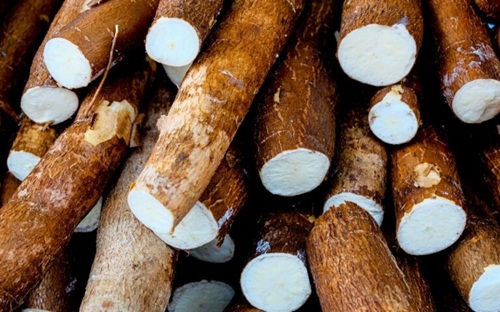
Every year, over 200 people die from eating what is known as the “world’s deadliest food,” yet almost 500 million people continue to eat it regularly. While many foods can make you feel full quickly, cassava is different because it is a staple food for many communities around the world. It plays a crucial role in the diets of approximately 500 million people globally, and hundreds of millions of tonnes are produced each year. Cassava is a root vegetable that naturally grows in South America and parts of Africa and Asia.
It is an important source of carbohydrates and energy for many populations. However, cassava can be very dangerous if it is not prepared properly. The stems, peel, and leaves of the cassava plant contain natural toxins, including substances that produce hydrogen cyanide, which is highly poisonous. The World Health Organization (WHO) estimates that around 200 people die annually due to cassava poisoning. For this reason, cassava is often called the “world’s deadliest food.”
Cassava tubers contain cyanogenic glucosides, natural chemicals that help protect the plant from insects and animals. When cassava is properly processed before eating, these toxins are greatly reduced, making it safe for consumption. However, if cassava with high levels of cyanide is eaten without proper preparation, it can cause serious health problems. This often happens during times of famine, war, or food shortages when people might not have the time or resources to prepare cassava safely.
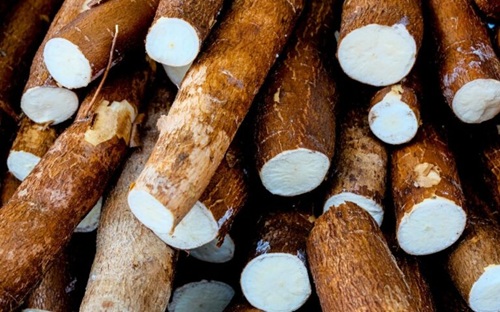
One of the diseases linked to cassava poisoning is konzo, a neurological condition that causes sudden, irreversible paralysis of the legs. Konzo mainly affects people who consume bitter cassava regularly and have low protein intake. This disease mostly occurs in poor communities and often appears in epidemic outbreaks, though isolated cases have also been reported. Despite the risks, millions of people consume cassava daily without issues, showing that safe preparation methods can prevent poisoning.
To ensure cassava is safe, it must be properly processed. This often involves peeling, soaking, drying, and cooking the cassava to remove or reduce the toxic compounds. Soaking cassava for up to 24 hours is a common practice to lower the cyanide content. In Venezuela, during periods of food shortage, people died after eating salty food to survive, which demonstrates the dangers of improper diets during crises. The story of cassava is a reminder of how important food preparation is for safety, especially when relying on natural foods that contain toxins. Awareness and proper processing methods can save lives and prevent illness.
Every year, over 200 people die from eating what is known as the “world’s deadliest food,” yet almost 500 million people continue to eat it regularly. While many foods can make you feel full quickly, cassava is different because it is a staple food for many communities around the world. It plays a crucial role in the diets of approximately 500 million people globally, and hundreds of millions of tonnes are produced each year. Cassava is a root vegetable that naturally grows in South America and parts of Africa and Asia.
It is an important source of carbohydrates and energy for many populations. However, cassava can be very dangerous if it is not prepared properly. The stems, peel, and leaves of the cassava plant contain natural toxins, including substances that produce hydrogen cyanide, which is highly poisonous. The World Health Organization (WHO) estimates that around 200 people die annually due to cassava poisoning. For this reason, cassava is often called the “world’s deadliest food.”
Cassava tubers contain cyanogenic glucosides, natural chemicals that help protect the plant from insects and animals. When cassava is properly processed before eating, these toxins are greatly reduced, making it safe for consumption. However, if cassava with high levels of cyanide is eaten without proper preparation, it can cause serious health problems. This often happens during times of famine, war, or food shortages when people might not have the time or resources to prepare cassava safely.
One of the diseases linked to cassava poisoning is konzo, a neurological condition that causes sudden, irreversible paralysis of the legs. Konzo mainly affects people who consume bitter cassava regularly and have low protein intake. This disease mostly occurs in poor communities and often appears in epidemic outbreaks, though isolated cases have also been reported. Despite the risks, millions of people consume cassava daily without issues, showing that safe preparation methods can prevent poisoning.
To ensure cassava is safe, it must be properly processed. This often involves peeling, soaking, drying, and cooking the cassava to remove or reduce the toxic compounds. Soaking cassava for up to 24 hours is a common practice to lower the cyanide content. In Venezuela, during periods of food shortage, people died after eating salty food to survive, which demonstrates the dangers of improper diets during crises. The story of cassava is a reminder of how important food preparation is for safety, especially when relying on natural foods that contain toxins. Awareness and proper processing methods can save lives and prevent illness.