For twenty-five years, Doris showed love the way she knew best — through food. Her kitchen was the heart of her home, always alive with the smells of slow-cooked stews, homemade bread, and recipes passed down from her mother and grandmother.
Every Sunday, her family gathered around her dining table, laughing and sharing stories while Doris served plate after plate with quiet pride.
Cooking wasn’t just a chore to her — it was how she expressed care, how she kept her family connected, and how she found meaning in her days.
Even after her children grew up and moved out, the rhythm of her kitchen never changed. She continued cooking for two, sometimes for more, out of habit and love. It gave her comfort to fill the house with warmth, even when it grew quieter.
Her husband, Alan, often came home late, and Doris liked having dinner ready — something hearty that reminded him of home. She took joy in preparing food not just for nourishment but as an act of devotion.
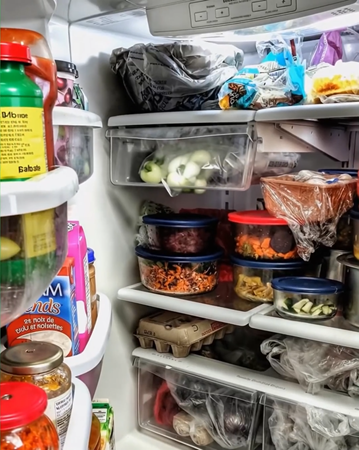
But slowly, something began to feel off. She noticed that leftovers disappeared faster than usual. Casseroles meant to last several days were gone overnight. Bowls she’d filled the night before were scraped clean by morning.
At first, she thought she might be forgetting how much she’d cooked, or that Alan was hungrier than usual. But as the weeks passed, the pattern continued. The refrigerator seemed to empty itself faster than she could restock it.
Doris tried to brush it aside, blaming her own exhaustion. Her work at the local library kept her busy, and she often came home tired after long shifts. But confusion began to mix with unease.
She felt like something was happening behind her back — something small, maybe, but unsettling. She couldn’t quite name the feeling, only that her efforts were somehow vanishing into thin air.
Then, one rainy Thursday evening, she decided to leave work a little early. The library had closed sooner than expected, and she thought she’d surprise Alan with dinner.
As she walked up the driveway, she noticed another car parked outside — one she recognized. Her sister-in-law, Marian, was inside the house. Doris entered quietly, calling out a greeting, but no one answered. When she walked into the kitchen, she froze.
There was Marian, standing in front of the open refrigerator, loading containers of food into a tote bag. Stew, pasta, and the pie Doris had baked just last night — all of it was being taken.
Marian turned, startled, and stammered, “Oh! I was just grabbing some things. Alan said it was fine.”
Doris stood still, trying to process what she was seeing. Her voice was calm but heavy.
“You’ve been taking food from my fridge?” she asked. Marian shrugged awkwardly, insisting it was “no big deal” — that the family always shared, that it was “just food.”
That phrase — just food — echoed painfully in Doris’s mind. Because for her, it had never been just food. Each dish represented time, care, and emotion — pieces of herself she poured into her family every day.
What Marian dismissed so casually was, to Doris, an expression of love and dignity.
That night, Doris confronted her husband, expecting understanding or at least empathy. Instead, he brushed off her feelings. “Marian’s family,” he said. “She’s going through a hard time. It’s not worth getting upset over a few leftovers.”
But it wasn’t about leftovers. It was about respect.
Doris tried to explain — that cooking wasn’t simply about feeding people, but about being seen and appreciated.
About how exhausting it felt to give and give while being treated as though her efforts were automatic, invisible, expected. Alan didn’t hear her. He told her she was “overreacting,” that she needed to let it go.
The conversation left her hollow. For days afterward, she went through her routines mechanically — going to work, cooking meals, tidying up — but the warmth she used to feel was gone.
She began to notice how rarely her husband thanked her, how often her kindness was taken for granted. She realized she had been carrying the emotional weight of their home almost entirely by herself.
After many sleepless nights, Doris made a decision that frightened her and freed her all at once. One quiet morning, she packed a small suitcase, left a note on the kitchen counter, and drove to her daughter’s house an hour away.
Her hands trembled, but her heart felt clearer than it had in years.
It wasn’t an act of anger — it was an act of self-respect.
She spent the following weeks reflecting, resting, and rebuilding her sense of self. She learned to cook again, but this time for joy, not for obligation.
She took long walks, joined a local community garden, and began volunteering at a cooking class for seniors.
Slowly, she started feeling like herself again — the version of Doris who existed before the exhaustion, before the quiet resentment that had filled her home.
Her children eventually came to understand her decision. At first, they were confused — why leave over something as small as food? But as Doris explained what had happened, they realized it wasn’t about the meals at all.
It was about years of unseen effort, about love that had gone unacknowledged, about the quiet erosion of respect in a marriage.
Her husband, in time, tried to reach out. He apologized, saying he hadn’t realized how much she had been hurting. But Doris had already stepped into a new chapter — one where she cooked when she wanted to, not because she had to.
Today, Doris lives in a small apartment with sunlight streaming into the kitchen. She still cooks every day — stews simmering on the stove, bread rising on the counter, pies cooling by the window — but now she does it for herself, for her friends, and for joy
. Her fridge stays full, not because no one touches it, but because everything inside it belongs to her again — to her time, her energy, her love.
She keeps one handwritten note on her refrigerator door. It says, “Love should be appreciated, not taken for granted.”
Every time she opens that door, she remembers that lesson — and smiles, knowing she’s finally free.
For twenty-five years, Doris showed love the way she knew best — through food. Her kitchen was the heart of her home, always alive with the smells of slow-cooked stews, homemade bread, and recipes passed down from her mother and grandmother.
Every Sunday, her family gathered around her dining table, laughing and sharing stories while Doris served plate after plate with quiet pride.
Cooking wasn’t just a chore to her — it was how she expressed care, how she kept her family connected, and how she found meaning in her days.
Even after her children grew up and moved out, the rhythm of her kitchen never changed. She continued cooking for two, sometimes for more, out of habit and love. It gave her comfort to fill the house with warmth, even when it grew quieter.
Her husband, Alan, often came home late, and Doris liked having dinner ready — something hearty that reminded him of home. She took joy in preparing food not just for nourishment but as an act of devotion.
But slowly, something began to feel off. She noticed that leftovers disappeared faster than usual. Casseroles meant to last several days were gone overnight. Bowls she’d filled the night before were scraped clean by morning.
At first, she thought she might be forgetting how much she’d cooked, or that Alan was hungrier than usual. But as the weeks passed, the pattern continued. The refrigerator seemed to empty itself faster than she could restock it.
Doris tried to brush it aside, blaming her own exhaustion. Her work at the local library kept her busy, and she often came home tired after long shifts. But confusion began to mix with unease.
She felt like something was happening behind her back — something small, maybe, but unsettling. She couldn’t quite name the feeling, only that her efforts were somehow vanishing into thin air.
Then, one rainy Thursday evening, she decided to leave work a little early. The library had closed sooner than expected, and she thought she’d surprise Alan with dinner.
As she walked up the driveway, she noticed another car parked outside — one she recognized. Her sister-in-law, Marian, was inside the house. Doris entered quietly, calling out a greeting, but no one answered. When she walked into the kitchen, she froze.
There was Marian, standing in front of the open refrigerator, loading containers of food into a tote bag. Stew, pasta, and the pie Doris had baked just last night — all of it was being taken.
Marian turned, startled, and stammered, “Oh! I was just grabbing some things. Alan said it was fine.”
Doris stood still, trying to process what she was seeing. Her voice was calm but heavy.
“You’ve been taking food from my fridge?” she asked. Marian shrugged awkwardly, insisting it was “no big deal” — that the family always shared, that it was “just food.”
That phrase — just food — echoed painfully in Doris’s mind. Because for her, it had never been just food. Each dish represented time, care, and emotion — pieces of herself she poured into her family every day.
What Marian dismissed so casually was, to Doris, an expression of love and dignity.
That night, Doris confronted her husband, expecting understanding or at least empathy. Instead, he brushed off her feelings. “Marian’s family,” he said. “She’s going through a hard time. It’s not worth getting upset over a few leftovers.”
But it wasn’t about leftovers. It was about respect.
Doris tried to explain — that cooking wasn’t simply about feeding people, but about being seen and appreciated.
About how exhausting it felt to give and give while being treated as though her efforts were automatic, invisible, expected. Alan didn’t hear her. He told her she was “overreacting,” that she needed to let it go.
The conversation left her hollow. For days afterward, she went through her routines mechanically — going to work, cooking meals, tidying up — but the warmth she used to feel was gone.
She began to notice how rarely her husband thanked her, how often her kindness was taken for granted. She realized she had been carrying the emotional weight of their home almost entirely by herself.
After many sleepless nights, Doris made a decision that frightened her and freed her all at once. One quiet morning, she packed a small suitcase, left a note on the kitchen counter, and drove to her daughter’s house an hour away.
Her hands trembled, but her heart felt clearer than it had in years.
It wasn’t an act of anger — it was an act of self-respect.
She spent the following weeks reflecting, resting, and rebuilding her sense of self. She learned to cook again, but this time for joy, not for obligation.
She took long walks, joined a local community garden, and began volunteering at a cooking class for seniors.
Slowly, she started feeling like herself again — the version of Doris who existed before the exhaustion, before the quiet resentment that had filled her home.
Her children eventually came to understand her decision. At first, they were confused — why leave over something as small as food? But as Doris explained what had happened, they realized it wasn’t about the meals at all.
It was about years of unseen effort, about love that had gone unacknowledged, about the quiet erosion of respect in a marriage.
Her husband, in time, tried to reach out. He apologized, saying he hadn’t realized how much she had been hurting. But Doris had already stepped into a new chapter — one where she cooked when she wanted to, not because she had to.
Today, Doris lives in a small apartment with sunlight streaming into the kitchen. She still cooks every day — stews simmering on the stove, bread rising on the counter, pies cooling by the window — but now she does it for herself, for her friends, and for joy
. Her fridge stays full, not because no one touches it, but because everything inside it belongs to her again — to her time, her energy, her love.
She keeps one handwritten note on her refrigerator door. It says, “Love should be appreciated, not taken for granted.”
Every time she opens that door, she remembers that lesson — and smiles, knowing she’s finally free.


