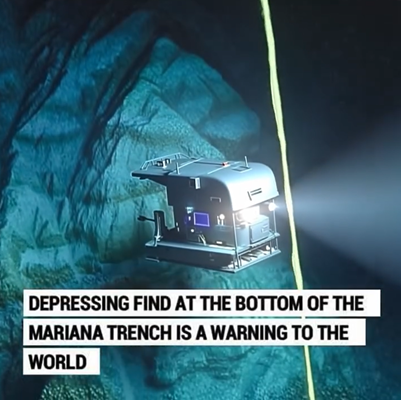
For many years, the Mariana Trench — the deepest and most remote part of the world’s oceans — was considered a place untouched by human influence. Scientists and explorers imagined a pristine, isolated ecosystem far removed from daily human life. That perception changed dramatically when a single plastic bag was discovered on the Trench’s seafloor. This quiet yet profound discovery sent a clear message: even the most distant and seemingly untouched places on Earth are affected by our choices. It reminded humanity that our actions travel farther than we might ever imagine and that no corner of the planet exists in isolation.
The Mariana Trench plunges nearly seven miles below the ocean’s surface, where sunlight cannot reach and the pressure is immense. Yet, life thrives in these extreme conditions. Strange and wondrous creatures inhabit this hidden world — delicate corals, ethereal jellyfish, giant amphipods, and species that exist nowhere else on Earth. Scientists studying these ecosystems have found that even in such isolated environments, nearly one in five pieces of plastic they recover shows evidence of interaction with marine life. Animals may ingest, become entangled in, or otherwise be affected by debris, creating stress on ecosystems that have existed for millions of years. Even a single foreign object can disrupt fragile balances that have persisted in these ancient habitats.
Much of the plastic pollution reaching these depths comes from everyday human activity. Simple items — shopping bags, wrappers, bottles, and packaging — are designed for brief use but can persist in nature for centuries. Carried by wind, rivers, rainfall runoff, and ocean currents, these objects traverse vast distances. Over time, they accumulate in the ocean, including in areas once thought immune to human impact. Research indicates that nearly 89% of the plastic retrieved from the Mariana Trench consists of single-use items. This means that much of what is polluting the ocean originates from small, daily decisions made by people thousands of miles away from the Trench itself.
The presence of a plastic bag on the Mariana Trench seafloor is not merely symbolic. It serves as a stark and sobering reminder that the Earth’s oceans are interconnected. Every river, shoreline, city, and rural area contributes to the state of the marine environment. What we discard carelessly does not disappear; it moves through the natural systems of the planet, eventually arriving in the most remote habitats. In this way, human behavior resonates across the globe, influencing creatures and ecosystems we may never see in person.
Plastic in the deep ocean has both direct and indirect consequences. Marine animals can mistake small fragments for food, leading to ingestion that can harm digestion, growth, and reproduction. Larger debris can entangle fish, seabirds, and marine mammals, restricting movement or causing injuries. Even the smallest plastic items can leach chemicals into water, gradually affecting species and habitats. For ecosystems that have evolved over millennia, these disruptions may have long-term effects, altering the delicate balance that supports life in the ocean’s most extreme environments.
Addressing this problem requires awareness and concrete action. Small, deliberate choices in everyday life — such as using reusable bags, reducing single-use packaging, and properly disposing of waste — can collectively make a significant difference. Communities, governments, and individuals all have a role in reducing the flow of plastic into rivers and oceans. Recycling programs, bans on certain single-use plastics, and education campaigns help reduce the amount of debris reaching the sea. But even beyond these measures, personal responsibility remains critical: every item we use, dispose of, or recycle contributes to the health of ecosystems worldwide.
The discovery of a plastic bag in the Mariana Trench is both a warning and an opportunity. It highlights how deeply humans are intertwined with the natural world and underscores the urgency of taking thoughtful action. By recognizing the impact of our everyday choices, we have the power to protect not only the deep sea but also all interconnected ecosystems on our planet. Conservation is not limited to visible forests, rivers, or beaches; it extends to the unseen depths of the ocean, where life is just as valuable and vulnerable as anywhere else on Earth.
Ultimately, this discovery is a call to reflection. The Trench is more than a distant scientific curiosity; it is a mirror of our habits, a reflection of our global footprint. The creatures inhabiting its depths may never encounter humans, but they are not beyond our influence. Every decision to reduce waste, reuse materials, and treat the environment with respect ripples outward, helping maintain the balance of life across the planet.
Our actions matter. The plastic found in the Mariana Trench is not an isolated incident; it is a tangible sign that even the smallest items can leave lasting traces. Protecting the oceans, from their sunlit surfaces to the darkest depths, is a responsibility shared by all. By making mindful choices and encouraging collective stewardship, we can ensure that these remarkable ecosystems continue to thrive for generations to come. Every step toward sustainability, every item kept out of the ocean, is a step toward a healthier, more resilient planet.
The Mariana Trench now carries a message for the entire world: the health of our oceans, no matter how remote, is inseparable from human choices. If we are to safeguard these hidden realms, we must act thoughtfully, consistently, and together. The deep sea is a reminder that our planet is one interconnected system, and the future of life — both visible and unseen — depends on the actions we take today.
For many years, the Mariana Trench — the deepest and most remote part of the world’s oceans — was considered a place untouched by human influence. Scientists and explorers imagined a pristine, isolated ecosystem far removed from daily human life. That perception changed dramatically when a single plastic bag was discovered on the Trench’s seafloor. This quiet yet profound discovery sent a clear message: even the most distant and seemingly untouched places on Earth are affected by our choices. It reminded humanity that our actions travel farther than we might ever imagine and that no corner of the planet exists in isolation.
The Mariana Trench plunges nearly seven miles below the ocean’s surface, where sunlight cannot reach and the pressure is immense. Yet, life thrives in these extreme conditions. Strange and wondrous creatures inhabit this hidden world — delicate corals, ethereal jellyfish, giant amphipods, and species that exist nowhere else on Earth. Scientists studying these ecosystems have found that even in such isolated environments, nearly one in five pieces of plastic they recover shows evidence of interaction with marine life. Animals may ingest, become entangled in, or otherwise be affected by debris, creating stress on ecosystems that have existed for millions of years. Even a single foreign object can disrupt fragile balances that have persisted in these ancient habitats.
Much of the plastic pollution reaching these depths comes from everyday human activity. Simple items — shopping bags, wrappers, bottles, and packaging — are designed for brief use but can persist in nature for centuries. Carried by wind, rivers, rainfall runoff, and ocean currents, these objects traverse vast distances. Over time, they accumulate in the ocean, including in areas once thought immune to human impact. Research indicates that nearly 89% of the plastic retrieved from the Mariana Trench consists of single-use items. This means that much of what is polluting the ocean originates from small, daily decisions made by people thousands of miles away from the Trench itself.
The presence of a plastic bag on the Mariana Trench seafloor is not merely symbolic. It serves as a stark and sobering reminder that the Earth’s oceans are interconnected. Every river, shoreline, city, and rural area contributes to the state of the marine environment. What we discard carelessly does not disappear; it moves through the natural systems of the planet, eventually arriving in the most remote habitats. In this way, human behavior resonates across the globe, influencing creatures and ecosystems we may never see in person.
Plastic in the deep ocean has both direct and indirect consequences. Marine animals can mistake small fragments for food, leading to ingestion that can harm digestion, growth, and reproduction. Larger debris can entangle fish, seabirds, and marine mammals, restricting movement or causing injuries. Even the smallest plastic items can leach chemicals into water, gradually affecting species and habitats. For ecosystems that have evolved over millennia, these disruptions may have long-term effects, altering the delicate balance that supports life in the ocean’s most extreme environments.
Addressing this problem requires awareness and concrete action. Small, deliberate choices in everyday life — such as using reusable bags, reducing single-use packaging, and properly disposing of waste — can collectively make a significant difference. Communities, governments, and individuals all have a role in reducing the flow of plastic into rivers and oceans. Recycling programs, bans on certain single-use plastics, and education campaigns help reduce the amount of debris reaching the sea. But even beyond these measures, personal responsibility remains critical: every item we use, dispose of, or recycle contributes to the health of ecosystems worldwide.
The discovery of a plastic bag in the Mariana Trench is both a warning and an opportunity. It highlights how deeply humans are intertwined with the natural world and underscores the urgency of taking thoughtful action. By recognizing the impact of our everyday choices, we have the power to protect not only the deep sea but also all interconnected ecosystems on our planet. Conservation is not limited to visible forests, rivers, or beaches; it extends to the unseen depths of the ocean, where life is just as valuable and vulnerable as anywhere else on Earth.
Ultimately, this discovery is a call to reflection. The Trench is more than a distant scientific curiosity; it is a mirror of our habits, a reflection of our global footprint. The creatures inhabiting its depths may never encounter humans, but they are not beyond our influence. Every decision to reduce waste, reuse materials, and treat the environment with respect ripples outward, helping maintain the balance of life across the planet.
Our actions matter. The plastic found in the Mariana Trench is not an isolated incident; it is a tangible sign that even the smallest items can leave lasting traces. Protecting the oceans, from their sunlit surfaces to the darkest depths, is a responsibility shared by all. By making mindful choices and encouraging collective stewardship, we can ensure that these remarkable ecosystems continue to thrive for generations to come. Every step toward sustainability, every item kept out of the ocean, is a step toward a healthier, more resilient planet.
The Mariana Trench now carries a message for the entire world: the health of our oceans, no matter how remote, is inseparable from human choices. If we are to safeguard these hidden realms, we must act thoughtfully, consistently, and together. The deep sea is a reminder that our planet is one interconnected system, and the future of life — both visible and unseen — depends on the actions we take today.


