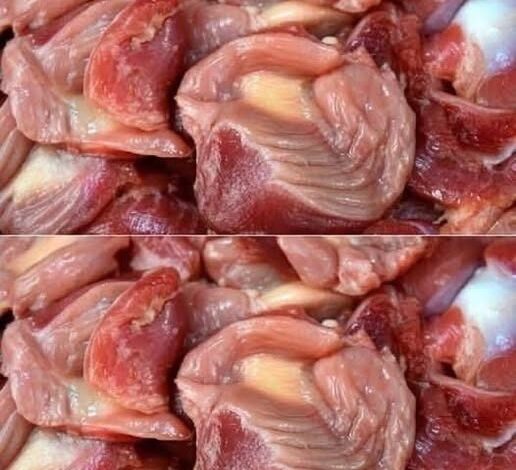
In the storied landscape of American culinary traditions, few dishes embody the spirit of resilience, resourcefulness, and sheer flavor quite like Crispy Southern Fried Chicken Gizzards. Often sidelined in favor of more conventional cuts like the breast or thigh, the gizzard is the unsung hero of the Southern kitchen. It is a dish that speaks to a history of “nose-to-tail” eating, born from an era when nothing was wasted and magic was made from the most humble ingredients. When prepared with patience and precision, these small, muscular morsels transform into a soul food classic that offers a unique, deeply satisfying crunch that few other fried foods can match.
The journey to a perfect batch of gizzards begins with a fundamental understanding of the ingredient itself. The gizzard is a powerful muscle used by the bird for digestion, which means it is naturally tough and lean. To unlock its potential, one must treat it with a combination of chemical tenderization and controlled heat. It is a process that rewards the patient cook, turning what could be a rubbery experience into a tender, complex bite wrapped in a shattered-glass crust.
The Foundation: Preparation and the Buttermilk Bath
The first step toward greatness is meticulous cleaning. While many modern butchers provide pre-cleaned gizzards, it is always wise to inspect them for any remaining silverskin or tough inner linings. Once cleaned, the gizzards must be patted bone-dry. This is a critical technical detail; any moisture left on the surface will create a steam barrier during frying, preventing the crust from adhering and causing dangerous oil spatters.
The soul of the dish lies in the buttermilk marinade. Buttermilk is a dual-purpose miracle in Southern frying: its lactic acid gently breaks down the tough muscle fibers of the gizzard, while its thick consistency creates the perfect “glue” for the flour coating. For a pound of cleaned gizzards, whisk together one cup of buttermilk with a generous tablespoon of a vinegar-based hot sauce like Frank’s RedHot or Crystal. This adds a subtle, back-of-the-throat warmth rather than an overt heat. Season this liquid gold with a teaspoon each of garlic and onion powder to begin layering the savory profile.
The gizzards should submerge in this bath for a minimum of two hours, but for the truly initiated, an overnight soak is the gold standard. This extended time allows the marinade to penetrate deep into the muscle, ensuring that every bite is seasoned from the inside out and remarkably tender.
The Architecture of the Crunch: The Seasoned Flour
While the gizzards marinate, the focus shifts to the seasoned flour coating—the architecture of the crunch. A simple bowl of flour will not suffice for a dish this robust. You need a blend that can stand up to the earthy flavor of the organ meat. In a shallow dish, combine one and a half cups of all-purpose flour with a symphony of spices: dried thyme and oregano for an herbal high note, ground mustard for a sharp, savory bite, and cayenne pepper to satisfy the heat seekers.
The secret to that coveted “craggy” exterior is the double-dredge method. Lift a gizzard from the buttermilk, let the excess drip off, and bury it in the flour. Shake off the excess and—crucially—dip it back into the buttermilk before a final, firm press into the flour. This creates multiple layers of batter that will expand and crisp in the oil. Once coated, let the gizzards rest on a wire rack for ten minutes. This rest period allows the flour to hydrate, creating a paste that bonds to the meat so the crust doesn’t slide off the moment it hits the skillet.
The Art of the Fry
Frying is as much about acoustics and temperature as it is about time. You will need a heavy-bottomed vessel—a cast-iron skillet is the traditional choice, but a Dutch oven provides better temperature stability and less mess. Heat four to six cups of vegetable or peanut oil to exactly 350°F. If the oil is too cool, the gizzards will act like sponges, soaking up grease and becoming heavy. If it is too hot, the crust will burn before the interior reaches the safe temperature of 165°F.
Fry in small batches to avoid “crowding the pan,” which can drop the oil temperature and lead to soggy results. Over the course of six to eight minutes, the gizzards will undergo a spectacular transformation, turning a deep, mahogany gold. For the ultimate “shatter” effect, some generational fry cooks utilize the double-fry method: fry for four minutes, let the gizzards rest for five minutes to allow the residual heat to finish the interior, and then drop them back into the oil for a final two-minute blast of heat to crisp the skin to a crystalline state.
As soon as they emerge from the oil, place them on a wire rack—never paper towels, which trap steam and soften the bottom of the fry. While they are still shimmering with hot oil, hit them with a final, light dusting of flaky sea salt.
A Legacy of Resilience
To eat a fried gizzard is to consume a piece of American history. This dish represents the ingenuity of cooks who, faced with the “lesser” parts of the animal, refused to settle for lesser flavor. It is a culinary testament to the idea that with enough technique and heart, any ingredient can be elevated to the level of art.
In a modern culinary world that is increasingly obsessed with “authentic” and “rustic” experiences, the chicken gizzard stands as the real deal. It is a dish of the community, often shared at church socials, game day gatherings, or late-night kitchen counters. It is best served alongside the pillars of the Southern table: creamy, tangy coleslaw to cut through the richness, buttered cornbread for sweetness, and perhaps some pickled onions for a sharp acidity that cleanses the palate for the next crunchy bite.
When you bring a plate of these gizzards to the table, you aren’t just serving a snack. You are serving a story of resourcefulness. You are proving that the best things in life are often found exactly where people forget to look. So, fire up the skillet, let the oil begin its shimmering dance, and partake in a tradition that is as complex, resilient, and satisfying as the South itself.