For most people, food is a source of comfort, taste, and nourishment—a daily necessity that provides energy and enjoyment. Yet for millions of people around the world, the very act of eating can carry serious risks, and in some cases, even be deadly.
Certain foods contain natural toxins or require very specific preparation methods, and consuming them incorrectly can lead to severe illness or death.
Despite these risks, people continue to eat these foods, often because of cultural traditions, taste preferences, or necessity. Let’s explore ten of the most dangerous foods on the planet, why they pose such risks, and why they remain widely consumed.
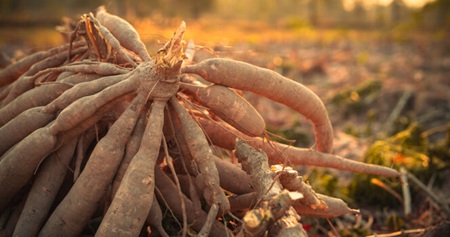
Cassava, also known as yuca or manioc, is a starchy tuber that serves as a staple food for over 800 million people in around 80 countries, particularly in Africa, Latin America, and Southeast Asia.
While it may appear harmless, cassava contains naturally occurring cyanogenic glycosides in its roots and leaves. If consumed raw or improperly processed, these compounds break down into cyanide in the body, which can cause cyanide poisoning.
Symptoms include dizziness, headaches, nausea, rapid breathing, goiters, paralysis, and in severe cases, death.
The World Health Organization estimates that around 200 people die from cassava poisoning each year, earning it the unfortunate distinction of the “world’s deadliest food.”
Despite these dangers, cassava is a lifeline. It grows in poor soil conditions, is highly drought-resistant, and provides a rich source of carbohydrates essential for survival.
When processed correctly—through peeling, soaking, fermenting, drying, or boiling—the cyanide content is drastically reduced, making it safe to eat. For many people, avoiding cassava is not an option;
it is an essential source of calories and nutrition, highlighting the complex balance between risk and necessity in human diets.

Deadly Delicacy: Fugu (Pufferfish)
Fugu, a Japanese delicacy made from pufferfish, is notorious for containing tetrodotoxin, a neurotoxin considered approximately 200 times more lethal than cyanide.
Tetrodotoxin poisoning can be swift and severe: it often begins with numbness around the lips and mouth, progresses to muscle paralysis, and may ultimately result in death while the victim remains fully conscious.
he Japanese Ministry of Health reports around 50 cases of fugu poisoning per year, with only a few fatalities, primarily involving amateur chefs or individuals attempting to prepare the fish at home.
In Japan, the dish is highly regulated, and only licensed chefs who undergo rigorous training are permitted to prepare fugu.
During preparation, the liver, ovaries, and intestines—which contain the highest concentration of toxins—must be carefully removed.
Despite the risks, fugu remains popular, partly because the slight residual tingling sensation from the fish’s neurotoxins is considered thrilling by adventurous diners.
Its consumption is a culturally significant culinary tradition, demonstrating how humans often embrace risk for flavor, experience, or prestige.
Hidden Neurotoxin: Starfruit
Starfruit, or carambola, is generally safe for healthy individuals, but it contains neurotoxins that can be dangerous for people with kidney disease.
In those with impaired kidney function, these toxins accumulate in the bloodstream, leading to confusion, seizures, and even death. Early warning signs may appear within hours and include hiccups, vomiting, fatigue, or weakness.
For those without kidney issues, starfruit is a nutritious and flavorful fruit. Its high vitamin C content, antioxidants, and potassium make it a healthy addition to the diet.
However, for people with renal problems, consumption can be extremely dangerous. This contrast underscores how a food that is safe for most can be deadly for a vulnerable population.

Sweet Treats with a Deadly Core: Cherry Pits and Apple Seeds
Cherry pits and apple seeds contain a compound called amygdalin, which can convert into cyanide when crushed or chewed.
While accidentally swallowing a whole seed or pit is unlikely to cause harm, breaking or chewing them releases the toxin, which can lead to dizziness, nausea, respiratory problems, and even death in large quantities.
The fruit itself remains safe to eat, but careful handling is necessary to avoid accidental ingestion of toxic seeds. This is a reminder that even foods widely regarded as safe can contain hidden dangers in parts that are often overlooked.
Toxic Side Dish: Green Potatoes
Potatoes exposed to light can develop a green hue due to chlorophyll formation. While chlorophyll itself is harmless, its presence often indicates higher concentrations of solanine, a toxic compound.
High doses of solanine can cause nausea, headaches, neurological symptoms, and in extreme cases, paralysis or coma. Reports of severe poisoning are rare, but the risk exists.
Green or sprouted potatoes should always be peeled thoroughly, and those with extensive greening or sprouting should be discarded. With proper preparation, potatoes are entirely safe and remain a dietary staple worldwide.
Nutty by Nature: Raw Cashews
Raw cashews contain urushiol, the same chemical found in poison ivy and poison oak, which can cause severe skin irritation, burning, and swelling.
Consuming or handling raw cashews in their unprocessed form can trigger reactions similar to contact with poison ivy.
Fortunately, cashews sold in stores labeled as “raw” have been shelled and heat-treated to remove urushiol, making them safe for consumption. Interestingly, mango skins also contain urushiol, though they are typically consumed in smaller quantities.
Not Worth the Trip: Nutmeg
Nutmeg contains myristicin, a naturally occurring compound that affects the nervous system. In small amounts, it is safe and widely used to flavor desserts, beverages, and holiday dishes.
However, consuming excessive quantities can result in hallucinations, nausea, rapid heartbeat, seizures, and prolonged psychosis in extreme cases. Just two teaspoons of nutmeg can trigger severe symptoms lasting for days.
Nutmeg is a striking example of how the dose determines the danger of a food, highlighting the delicate balance between culinary enjoyment and toxic risk.
Fatal Fungi: Wild Mushrooms
Certain wild mushrooms, such as the death cap (Amanita phalloides), contain lethal toxins capable of causing organ failure and death.
Although only a small fraction of the estimated 70–80 poisonous mushroom species are fatal, many resemble edible varieties, making accidental ingestion particularly dangerous.
Unless one is an expert in mycology, it is safest to avoid foraging wild mushrooms. Cultivated and store-bought mushrooms remain a safe alternative and are nutritionally valuable, offering protein, fiber, and essential vitamins.
Sweet but Deadly: Rhubarb
Rhubarb is beloved for its tart flavor and versatility in pies, jams, and sauces. However, while the stalks are safe and delicious, rhubarb leaves contain oxalic acid, a naturally occurring toxin that can lead to kidney failure if ingested in significant amounts.
Rhubarb’s leaves should never be consumed and are best composted, while the stalks can be enjoyed without concern. This serves as another example of how selective consumption is key to safely enjoying potentially toxic foods.
Deadly Beans: Raw Kidney Beans
Raw or undercooked kidney beans contain phytohaemagglutinin, a toxin that can cause severe vomiting, abdominal pain, and food poisoning. Eating as few as four to five undercooked beans can induce symptoms.
Boiling kidney beans for at least ten minutes destroys the toxin, making them safe for consumption. However, cooking at low temperatures, such as slow simmering, may not neutralize the poison fully and can increase risk.
Kidney beans illustrate how proper preparation can transform a dangerous food into a nutritious staple. They are a critical source of protein and fiber worldwide, but improper cooking can turn a healthy food into a serious hazard.
Across the globe, these foods highlight an important truth: nature produces both sustenance and risk. Humans have learned to navigate these dangers through cultural knowledge, careful preparation, and culinary skill.
While some foods remain deadly despite precautions, many can be safely enjoyed when treated with respect and care.
Understanding the risks associated with food empowers us to enjoy it safely while respecting the complex balance between nourishment, culture, and survival.
For most people, food is a source of comfort, taste, and nourishment—a daily necessity that provides energy and enjoyment. Yet for millions of people around the world, the very act of eating can carry serious risks, and in some cases, even be deadly.
Certain foods contain natural toxins or require very specific preparation methods, and consuming them incorrectly can lead to severe illness or death.
Despite these risks, people continue to eat these foods, often because of cultural traditions, taste preferences, or necessity. Let’s explore ten of the most dangerous foods on the planet, why they pose such risks, and why they remain widely consumed.
Cassava, also known as yuca or manioc, is a starchy tuber that serves as a staple food for over 800 million people in around 80 countries, particularly in Africa, Latin America, and Southeast Asia.
While it may appear harmless, cassava contains naturally occurring cyanogenic glycosides in its roots and leaves. If consumed raw or improperly processed, these compounds break down into cyanide in the body, which can cause cyanide poisoning.
Symptoms include dizziness, headaches, nausea, rapid breathing, goiters, paralysis, and in severe cases, death.
The World Health Organization estimates that around 200 people die from cassava poisoning each year, earning it the unfortunate distinction of the “world’s deadliest food.”
Despite these dangers, cassava is a lifeline. It grows in poor soil conditions, is highly drought-resistant, and provides a rich source of carbohydrates essential for survival.
When processed correctly—through peeling, soaking, fermenting, drying, or boiling—the cyanide content is drastically reduced, making it safe to eat. For many people, avoiding cassava is not an option;
it is an essential source of calories and nutrition, highlighting the complex balance between risk and necessity in human diets.
Deadly Delicacy: Fugu (Pufferfish)
Fugu, a Japanese delicacy made from pufferfish, is notorious for containing tetrodotoxin, a neurotoxin considered approximately 200 times more lethal than cyanide.
Tetrodotoxin poisoning can be swift and severe: it often begins with numbness around the lips and mouth, progresses to muscle paralysis, and may ultimately result in death while the victim remains fully conscious.
he Japanese Ministry of Health reports around 50 cases of fugu poisoning per year, with only a few fatalities, primarily involving amateur chefs or individuals attempting to prepare the fish at home.
In Japan, the dish is highly regulated, and only licensed chefs who undergo rigorous training are permitted to prepare fugu.
During preparation, the liver, ovaries, and intestines—which contain the highest concentration of toxins—must be carefully removed.
Despite the risks, fugu remains popular, partly because the slight residual tingling sensation from the fish’s neurotoxins is considered thrilling by adventurous diners.
Its consumption is a culturally significant culinary tradition, demonstrating how humans often embrace risk for flavor, experience, or prestige.
Hidden Neurotoxin: Starfruit
Starfruit, or carambola, is generally safe for healthy individuals, but it contains neurotoxins that can be dangerous for people with kidney disease.
In those with impaired kidney function, these toxins accumulate in the bloodstream, leading to confusion, seizures, and even death. Early warning signs may appear within hours and include hiccups, vomiting, fatigue, or weakness.
For those without kidney issues, starfruit is a nutritious and flavorful fruit. Its high vitamin C content, antioxidants, and potassium make it a healthy addition to the diet.
However, for people with renal problems, consumption can be extremely dangerous. This contrast underscores how a food that is safe for most can be deadly for a vulnerable population.
Sweet Treats with a Deadly Core: Cherry Pits and Apple Seeds
Cherry pits and apple seeds contain a compound called amygdalin, which can convert into cyanide when crushed or chewed.
While accidentally swallowing a whole seed or pit is unlikely to cause harm, breaking or chewing them releases the toxin, which can lead to dizziness, nausea, respiratory problems, and even death in large quantities.
The fruit itself remains safe to eat, but careful handling is necessary to avoid accidental ingestion of toxic seeds. This is a reminder that even foods widely regarded as safe can contain hidden dangers in parts that are often overlooked.
Toxic Side Dish: Green Potatoes
Potatoes exposed to light can develop a green hue due to chlorophyll formation. While chlorophyll itself is harmless, its presence often indicates higher concentrations of solanine, a toxic compound.
High doses of solanine can cause nausea, headaches, neurological symptoms, and in extreme cases, paralysis or coma. Reports of severe poisoning are rare, but the risk exists.
Green or sprouted potatoes should always be peeled thoroughly, and those with extensive greening or sprouting should be discarded. With proper preparation, potatoes are entirely safe and remain a dietary staple worldwide.
Nutty by Nature: Raw Cashews
Raw cashews contain urushiol, the same chemical found in poison ivy and poison oak, which can cause severe skin irritation, burning, and swelling.
Consuming or handling raw cashews in their unprocessed form can trigger reactions similar to contact with poison ivy.
Fortunately, cashews sold in stores labeled as “raw” have been shelled and heat-treated to remove urushiol, making them safe for consumption. Interestingly, mango skins also contain urushiol, though they are typically consumed in smaller quantities.
Not Worth the Trip: Nutmeg
Nutmeg contains myristicin, a naturally occurring compound that affects the nervous system. In small amounts, it is safe and widely used to flavor desserts, beverages, and holiday dishes.
However, consuming excessive quantities can result in hallucinations, nausea, rapid heartbeat, seizures, and prolonged psychosis in extreme cases. Just two teaspoons of nutmeg can trigger severe symptoms lasting for days.
Nutmeg is a striking example of how the dose determines the danger of a food, highlighting the delicate balance between culinary enjoyment and toxic risk.
Fatal Fungi: Wild Mushrooms
Certain wild mushrooms, such as the death cap (Amanita phalloides), contain lethal toxins capable of causing organ failure and death.
Although only a small fraction of the estimated 70–80 poisonous mushroom species are fatal, many resemble edible varieties, making accidental ingestion particularly dangerous.
Unless one is an expert in mycology, it is safest to avoid foraging wild mushrooms. Cultivated and store-bought mushrooms remain a safe alternative and are nutritionally valuable, offering protein, fiber, and essential vitamins.
Sweet but Deadly: Rhubarb
Rhubarb is beloved for its tart flavor and versatility in pies, jams, and sauces. However, while the stalks are safe and delicious, rhubarb leaves contain oxalic acid, a naturally occurring toxin that can lead to kidney failure if ingested in significant amounts.
Rhubarb’s leaves should never be consumed and are best composted, while the stalks can be enjoyed without concern. This serves as another example of how selective consumption is key to safely enjoying potentially toxic foods.
Deadly Beans: Raw Kidney Beans
Raw or undercooked kidney beans contain phytohaemagglutinin, a toxin that can cause severe vomiting, abdominal pain, and food poisoning. Eating as few as four to five undercooked beans can induce symptoms.
Boiling kidney beans for at least ten minutes destroys the toxin, making them safe for consumption. However, cooking at low temperatures, such as slow simmering, may not neutralize the poison fully and can increase risk.
Kidney beans illustrate how proper preparation can transform a dangerous food into a nutritious staple. They are a critical source of protein and fiber worldwide, but improper cooking can turn a healthy food into a serious hazard.
Across the globe, these foods highlight an important truth: nature produces both sustenance and risk. Humans have learned to navigate these dangers through cultural knowledge, careful preparation, and culinary skill.
While some foods remain deadly despite precautions, many can be safely enjoyed when treated with respect and care.
Understanding the risks associated with food empowers us to enjoy it safely while respecting the complex balance between nourishment, culture, and survival.


