I always thought I mastered silence. Growing up beside Kin taught me to read what no one else notices: the trembling in his gaze, a slight jaw twitch, how he arranged his pencils by size and color before homework. We learned patience — or how to pretend, because it was our lifeline in childhood.
At three, Kin got his diagnosis; I was six. I don’t remember the exact moment it was announced, but I know the house suddenly went silent: mom exhausted, dad irritated by crinkling chip bags or loud cartoons. I learned to disappear.
For Kin, nothing really changed: still silent, withdrawn, sometimes smiling at clouds or the ceiling fan. Not a word… until the day he spoke.
It was an ordinary Tuesday: laundry and pasta in chaos, trying not to scream. My son Owen was six months old — a ball of energy I called “the marshmallow demon.” My husband Will was on shifts, and I survived on cold coffee and mental lists. Kin quietly sorted colors and shapes on his tablet.
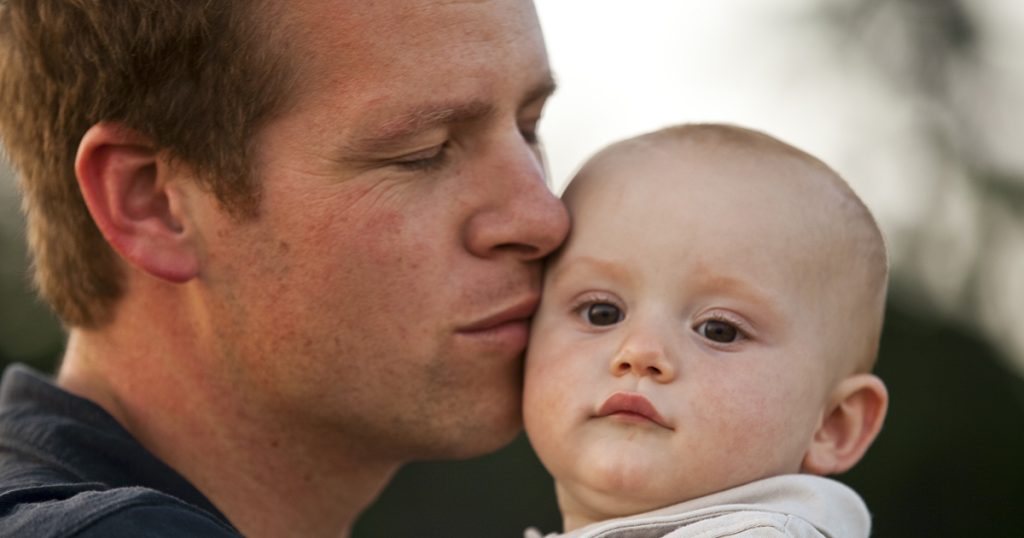
We had taken him in just before Owen’s birth, after losing our parents and a painful time in foster care. He said nothing when I invited him home, just a slight nod.
Six months of peaceful routine: Kin asked for nothing, ate with us, folded clothes perfectly, and softly hummed. I’d almost forgotten he was there — until that Tuesday.
In the middle of my ten-minute shower, I heard Owen scream “I’m dying!” Panic. But opening the door, no chaos: Kin was in MY chair, holding Owen close, stroking him like only a mother can. And he whispered:
“He likes the humming.”
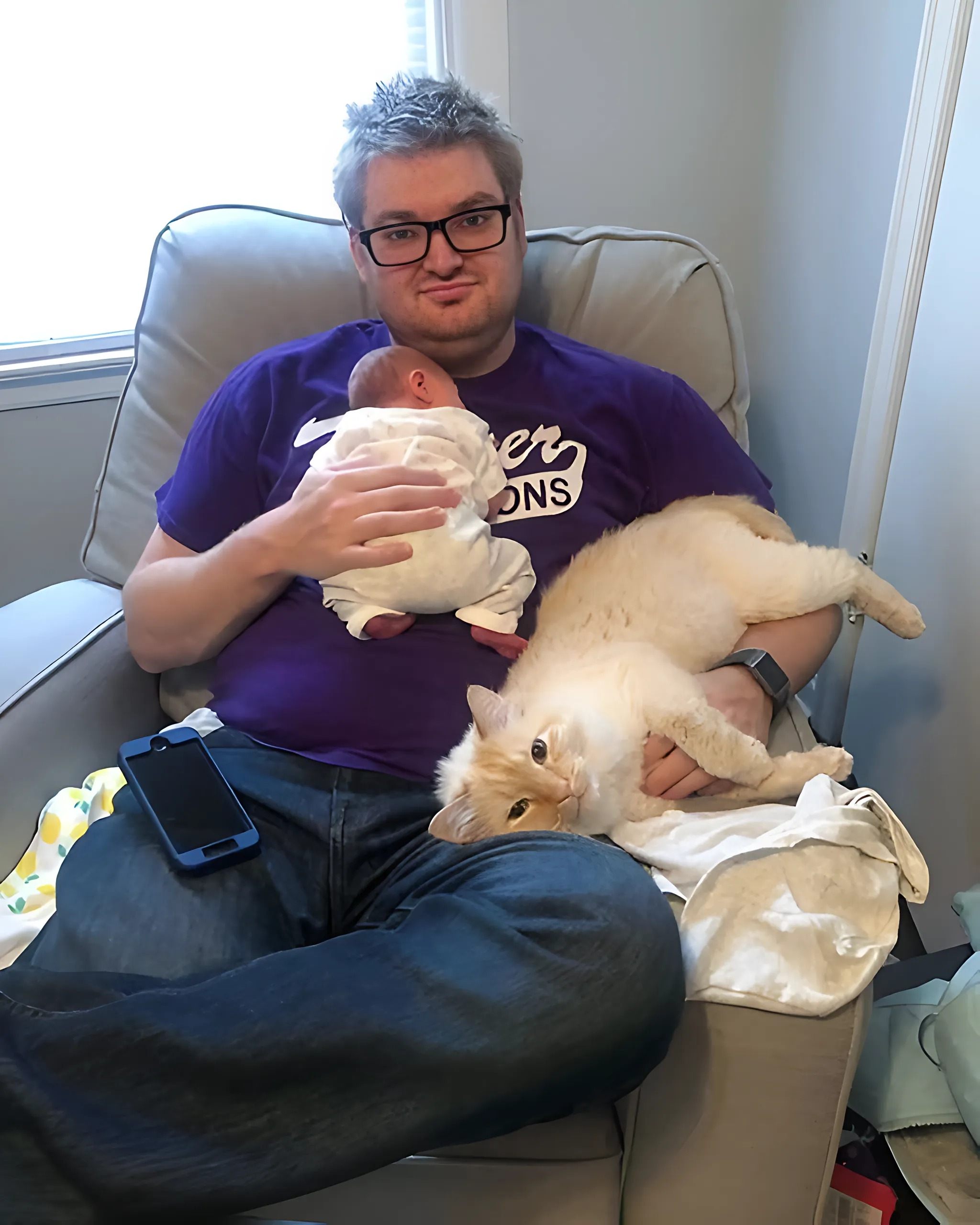
That word, that tone, that certainty… I stepped closer, wiped my tears, and asked: “The lullaby?” He nodded. Everything changed.
I let Kin keep Owen for a few minutes, then hours. He amazed me daily: changing diapers by color code, noting Owen’s preferences, fixing a leaking bottle.
Two weeks later, he talked about little details: “Mango hates the radiator,” “Owen prefers pear.” I cried more than I had all year. My husband said: “It’s like having a roommate finally awake.” I realized I’d ignored my brother’s true voice.
Then I caught him late one night confessing: “I dropped him.” Owen was unharmed, just sleepy. Kin cried in remorse.
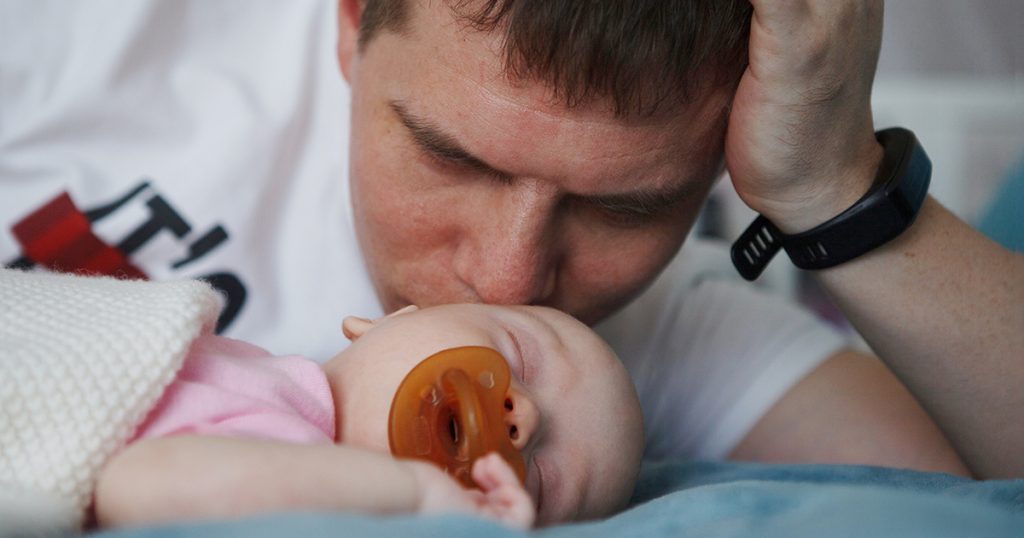
“You didn’t ruin anything,” I whispered. “You’re human.” He looked at me and quietly sobbed. I held him like he held Owen, realizing love isn’t fixing — it’s truly seeing.
Today Kin volunteers in a sensory workshop two days a week, and he’s the first person Owen calls. I never thought silence could speak so loudly, or that a whispered word could change our world.
“He likes the humming.”
And I love how we found each other again: siblings, family, finally understood humans.