The geopolitical climate of early 2026 has been marked by a staggering escalation of tensions that has captured the absolute focus of the international community. Following a weekend of unprecedented military activity, including joint U.S.-Israeli strikes on Tehran that reportedly claimed the life of Supreme Leader Ayatollah Ali Khamenei, the prospect of a wider regional or even global conflict has moved from the realm of theory to an active concern for many. As President Donald Trump frames the operation as a decisive move to neutralize a nuclear threat, and as Iran retaliates with sweeping missile and drone strikes across the Middle East—impacting assets in Israel, Bahrain, Kuwait, Qatar, Jordan, and the United Arab Emirates—the domestic conversation has shifted toward the “light of truth” regarding individual preparedness. In this environment of uncertainty, the importance of maintaining a well-stocked reserve of everyday essentials has become a focal point for families seeking to build resilience against potential disruptions.
While the current headlines are dominated by military maneuvers and strategic pivots, preparedness experts emphasize that the utility of a “ready kit” extends far beyond the context of geopolitical conflict. The core principle of emergency management is that self-sufficiency is a vital asset during any disruption, whether it stems from a natural disaster, a massive power outage, or the cascading effects of a supply chain failure. Last year, the European Commission underscored this reality by encouraging households to maintain a supply of essentials capable of lasting at least 72 hours. This guidance, championed by Hadja Lahbib, the European Commissioner for Preparedness and Crisis Management, is rooted in the “historic” realization that the first three days of an emergency are the most critical period for community stability.
The foundational element of any preparedness strategy is water. In a crisis, the integrity of municipal water systems can be compromised by physical damage or the loss of electrical power to pumping stations. The recommended standard is to store at least one gallon of water per person per day for drinking and basic sanitation. For a family of four, this translates to a 12-gallon reserve for the initial 72-hour window. Storing water in durable, BPA-free containers and rotating the supply every six months ensures that it remains safe for consumption.
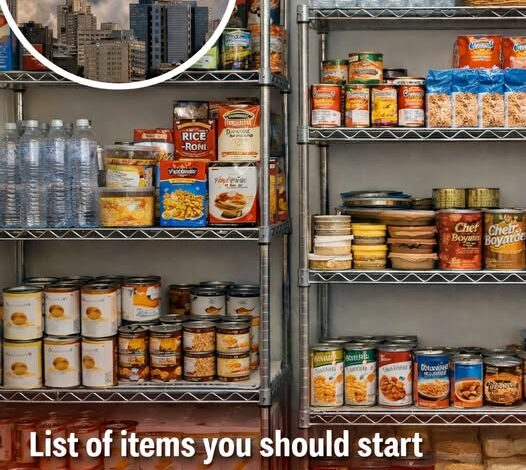
Following water, the focus shifts to caloric security. Non-perishable food items that require little to no cooking are the gold standard for emergency reserves. Canned meats, vegetables, and fruits are excellent choices, provided a manual can opener is kept nearby. High-energy snacks such as protein bars, nuts, and dried fruits offer significant nutritional density with minimal storage footprints. For those with specific dietary needs, including infants or the elderly, maintaining a dedicated reserve of formula or specialized medical nutrition is an absolute necessity.
Energy and communication form the next layer of the preparedness pyramid. In an age of digital saturation, the loss of a smartphone or internet connectivity can be disorienting. A portable, battery-operated or hand-crank radio remains the most reliable method for receiving official emergency broadcasts and weather updates when the grid is down. To complement this, households should maintain a supply of flashlights and extra batteries, avoiding the fire hazards associated with candles. Portable power banks, specifically those with solar charging capabilities, can keep essential communication devices operational for extended periods.
Health and hygiene are often overlooked until a crisis is underway. A comprehensive first-aid kit should include the basics—bandages, antiseptic wipes, and gauze—but it must also be tailored to the household’s specific needs. This means keeping a two-week reserve of all prescription medications, as well as over-the-counter essentials like pain relievers, antacids, and fever reducers. Basic hygiene supplies, such as wet wipes, hand sanitizer, and heavy-duty garbage bags, are critical for maintaining sanitation when water is scarce, helping to prevent the spread of illness in a crowded or stressed environment.
The final pillar of preparedness involves the protection of identity and financial mobility. In a “historic” disruption, electronic payment systems may become temporarily unavailable. Maintaining a modest reserve of cash in small denominations can be the difference between securing essential supplies and going without. Furthermore, critical documents—including passports, birth certificates, insurance policies, and property deeds—should be digitized on a secure USB drive and kept in a waterproof, fireproof container. Having physical copies of important contact numbers is also wise, as few people in the modern era have memorized the phone numbers of their most vital connections.
Preparedness experts are quick to distinguish between “active awareness” and panic. The goal of building a reserve is not to hoard resources out of fear, but to act as a buffer for the larger community. When individual households are self-sufficient for the first 72 hours, emergency services can focus their limited resources on the most vulnerable populations—the elderly, the injured, and those in acute danger. This “civilian resilience” acts as a force multiplier for national security, reducing the likelihood of civil unrest and ensuring that the social fabric remains intact during periods of high stress.
As the geopolitical landscape of March 2026 continues to evolve, the “light of truth” is that we live in an interconnected world where events in one region can have immediate, cascading effects on the daily lives of people thousands of miles away. Whether the current tensions in the Middle East result in a wider conflict or a slow diplomatic resolution, the habit of preparedness remains a virtue. It provides a sense of agency in a world that often feels beyond our control. By taking small, deliberate steps today—assembling a kit, checking an expiration date, or discussing an emergency plan with loved ones—families can move from a state of uncertainty to a position of strength.
The guidance provided by the European Commission and domestic agencies is a reminder that while we cannot predict the next crisis, we can certainly prepare for it. Resilience is built in the quiet moments of peace, one extra gallon of water and one extra box of batteries at a time. In the end, the most important item in any emergency kit is not a physical object, but the peace of mind that comes from knowing you have done what is necessary to protect your home and your family.