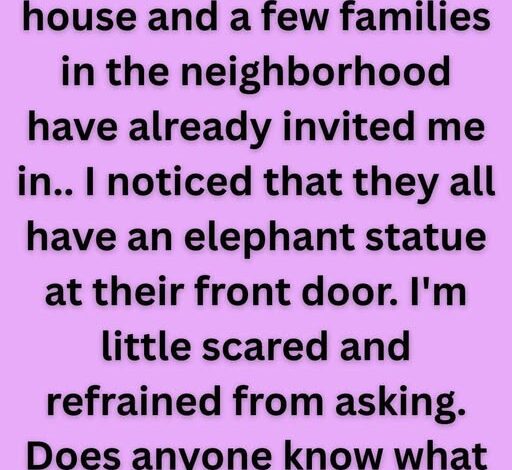
The threshold of a home is more than just a physical transition between the outside world and a private sanctuary; it is a symbolic space where intentions are set and energies are filtered. When you encounter an elephant statue standing guard at a front door, you are witnessing a tradition that spans continents, religions, and millennia. Far from being a mere decorative whim, the placement of an elephant at an entrance is often a deliberate act of spiritual or psychological signaling. Across a multitude of cultures, the elephant serves as a profound emblem of strength, wisdom, protection, and prosperity. To understand why these majestic stone or ceramic guardians are so prevalent, one must peel back the layers of cultural heritage and ancient philosophy that inform their presence.
In nature, elephants are the undisputed titans of the terrestrial world, characterized by their immense physical power, remarkable intelligence, and deep-seated social loyalty. They are famous for their matriarchal structures and “memories” that allow them to navigate vast landscapes for decades. These biological traits have directly translated into their universal symbolism as pillars of stability and wisdom. When positioned at a doorway, the elephant becomes a literal and figurative “gatekeeper,” tasked with managing the flow of luck and protection for the inhabitants within.
One of the most significant cultural roots for this practice is found in Hindu tradition. The elephant is inextricably linked to the deity Ganesha, the elephant-headed god who is revered as the “Remover of Obstacles.” Ganesha is almost always the first deity invoked in Hindu prayers and ceremonies because he is believed to clear the path for success and spiritual growth. For many, placing an elephant statue near the front door is a way to invite Ganesha’s patronage into the home. It symbolizes a request for the removal of life’s hurdles and the attraction of divine abundance. Even in secular households, the image of the elephant carries this residual energy of “clearing the way” for the family’s future endeavors.
In the practice of Feng Shui, the Chinese art of harmonizing individuals with their surrounding environment, the elephant is considered an “auspicious” animal of the highest order. Within this framework, the front door is known as the “Mouth of Chi,” the primary portal through which energy enters the living space. The orientation of an elephant statue in Feng Shui is a matter of precise intentionality. If the statue faces outward, away from the house, it acts as a sentinel, guarding the home against negative influences and “sha chi” (poison arrows of energy). Conversely, if the elephant faces inward toward the interior of the home, it is believed to be “trumpeting” good fortune and prosperity into the rooms, ensuring that the positive energy stays within the family’s grasp.
Perhaps the most debated aspect of elephant symbolism is the position of the trunk. This single detail can completely alter the perceived “message” of the statue. An elephant with a raised trunk is the quintessential symbol of victory, celebration, and outward-flowing good luck. It is thought to be showering blessings upon the home and those who enter. In many Western interpretations, a raised trunk is a strict requirement for a “lucky” elephant. However, an elephant with a lowered trunk should not be dismissed as unlucky. In many Eastern and African traditions, a trunk pointed downward represents grounding, stability, and the accumulation of knowledge. It is a symbol of calm power and the ability to push through adversity with steady, quiet resilience. While the “trunk up” elephant celebrates the height of success, the “trunk down” elephant honors the strength of the foundation.
Historically, the elephant has also been a symbol of royalty and military might, particularly in Southeast Asian cultures like Thailand and Myanmar. The rare “white elephant” was once a possession reserved exclusively for kings, representing divine right and absolute authority. When a homeowner places large, imposing elephant statues on either side of their front steps, they are tapping into this ancient imagery of the palace guard. The statues project a sense of security and formidable protection, signaling that the household is under the watch of a powerful guardian. It is a modern suburban evolution of the lions that flank the libraries of New York or the dragons that protect the temples of East Asia.
The social nature of elephants—their tendency to live in tight-knit family units and mourn their dead—also makes them a symbol of hospitality and family unity. A pair of elephants at the door often represents a harmonious partnership or marital bliss, suggesting that the home is a place of cooperation and mutual respect. In African cultures, the elephant is frequently viewed as a link to ancestral wisdom. Their long lifespans make them living libraries of history, and as a statue, they represent the honoring of one’s roots and the protection of the family’s legacy across generations.
Beyond the spiritual and historical, there is the undeniable aesthetic appeal of the elephant. Their curved trunks, large ears, and dignified posture provide a compelling sculptural silhouette that fits seamlessly into a variety of design styles, from bohemian and eclectic to globally inspired luxury. Even when a homeowner chooses an elephant statue simply because they find the animal beautiful or “exotic,” the positive associations of the symbol remain quietly active in the background. It is an “archetypal” image; even without a deep knowledge of Feng Shui or Hindu theology, the human brain tends to associate the elephant with a sense of “goodness” and “permanence.”
The size and material of the statue can also play a role in its perceived energy. A large stone elephant at the base of the driveway suggests a public declaration of protection, while a small, intricate jade figurine on an entryway table indicates a more private, internal focus on prosperity and wisdom. Regardless of the size, the intention of the placement remains the primary driver of the symbol’s power.
In our fast-paced, digital world, the enduring popularity of the elephant statue at the front door is a fascinating testament to our continued need for symbolism. We still seek ways to define our thresholds and invite specific energies into our lives. The elephant stands as a bridge between the wild power of nature and the domestic peace of the home. Whether it is meant to ward off bad luck, celebrate a family’s triumphs, or simply offer a dignified welcome to a guest, the elephant remains one of the most versatile and beloved guardians in the world. It is a silent promise that the home it protects is a place of wisdom, a place of memory, and above all, a place of strength.