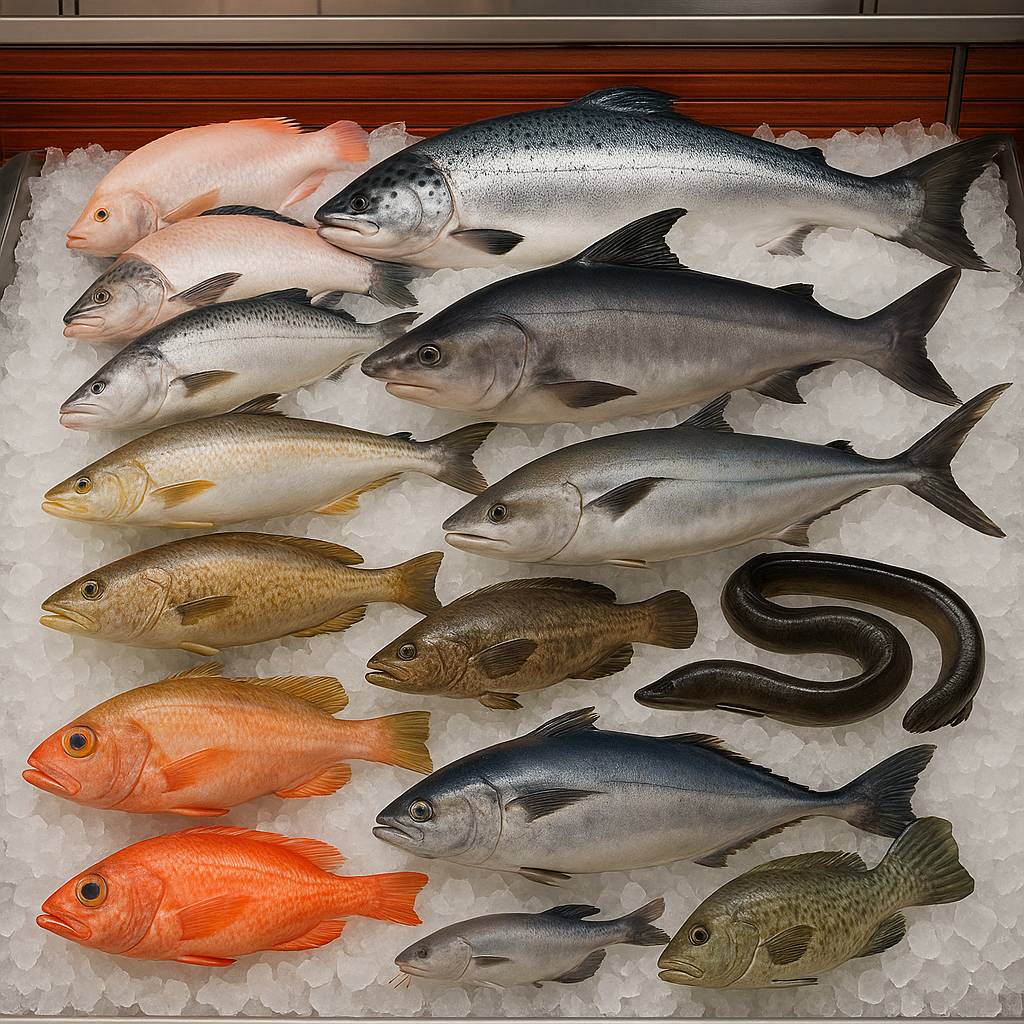
Fish is often considered a nutritional powerhouse—rich in protein, omega-3 fatty acids, and essential vitamins. But not all fish are as healthy as they seem. Due to pollution, farming practices, and environmental toxins, some species carry dangerously high levels of mercury, PCBs, and other harmful chemicals.
Before you shop for seafood, take note of these 12 fish you may want to avoid to protect your health and the health of your family.
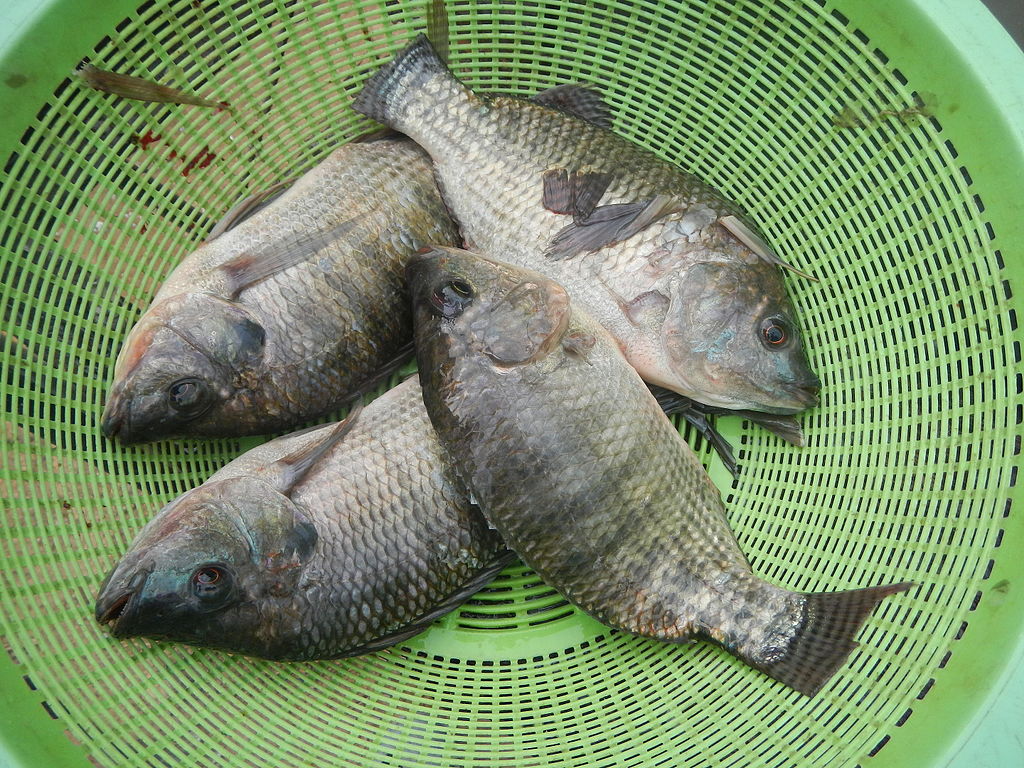
1. Tilapia (Farmed)
Farmed tilapia is often raised in overcrowded ponds where it’s fed a grain-based diet and exposed to antibiotics and pesticides. Studies have found farmed tilapia, especially from countries with weak regulations, can contain high levels of pollutants. It’s also low in omega-3s compared to other fish.
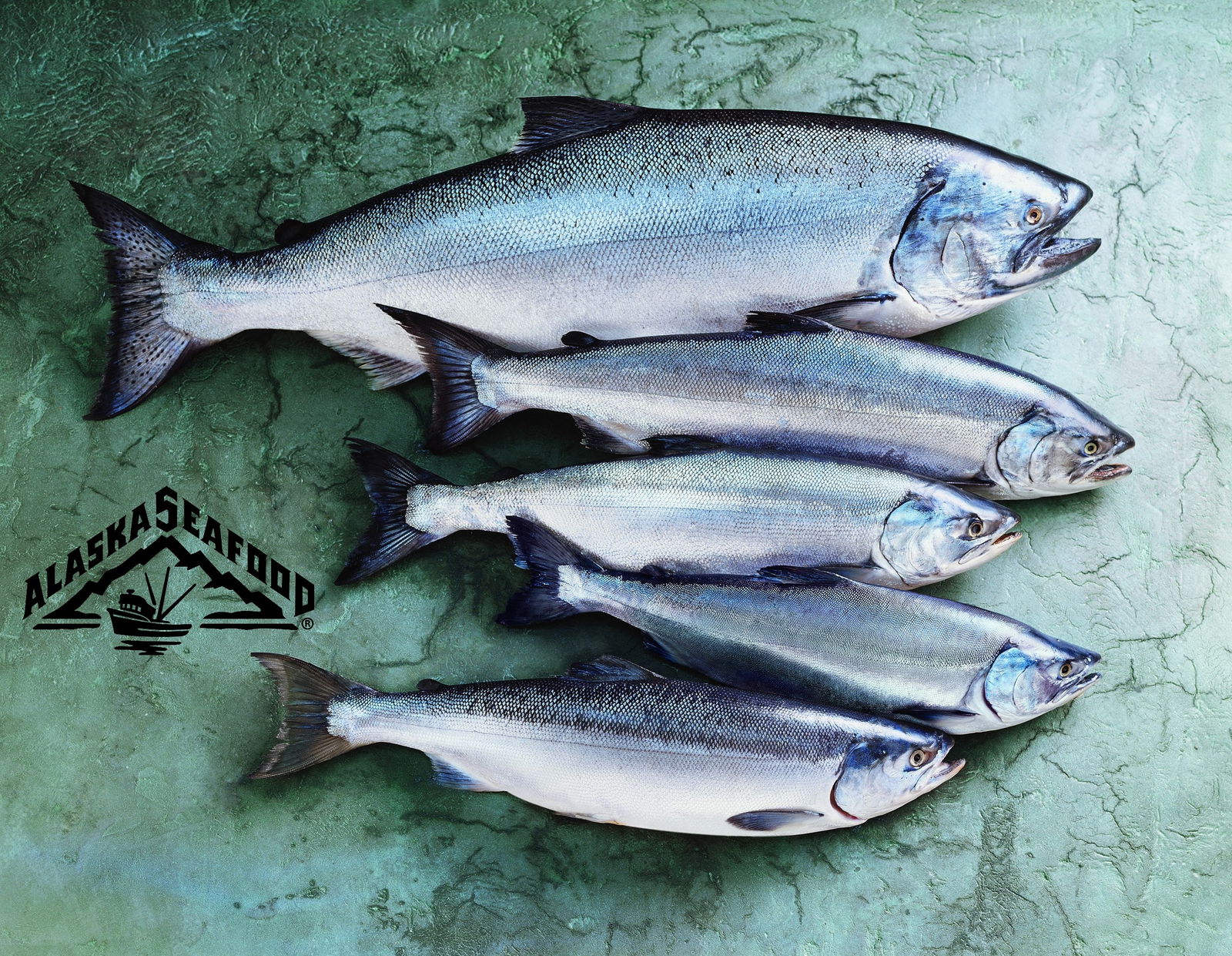
2. Atlantic Salmon (Farmed)
Most Atlantic salmon on the market is farmed. To enhance its color, synthetic additives are often used. These fish are typically exposed to antibiotics, pesticides, and can carry higher levels of PCBs, chemicals linked to cancer and hormonal disruption.
3. Swordfish
As a large predatory fish, swordfish accumulates high levels of mercury—a neurotoxin that poses a serious risk to pregnant women, nursing mothers, and children. Even occasional consumption can lead to health concerns over time.
4. Shark
Shark meat is another top-tier predator fish contaminated with mercury, arsenic, and other heavy metals. Regular consumption may lead to heavy metal poisoning, affecting the nervous system and internal organs.
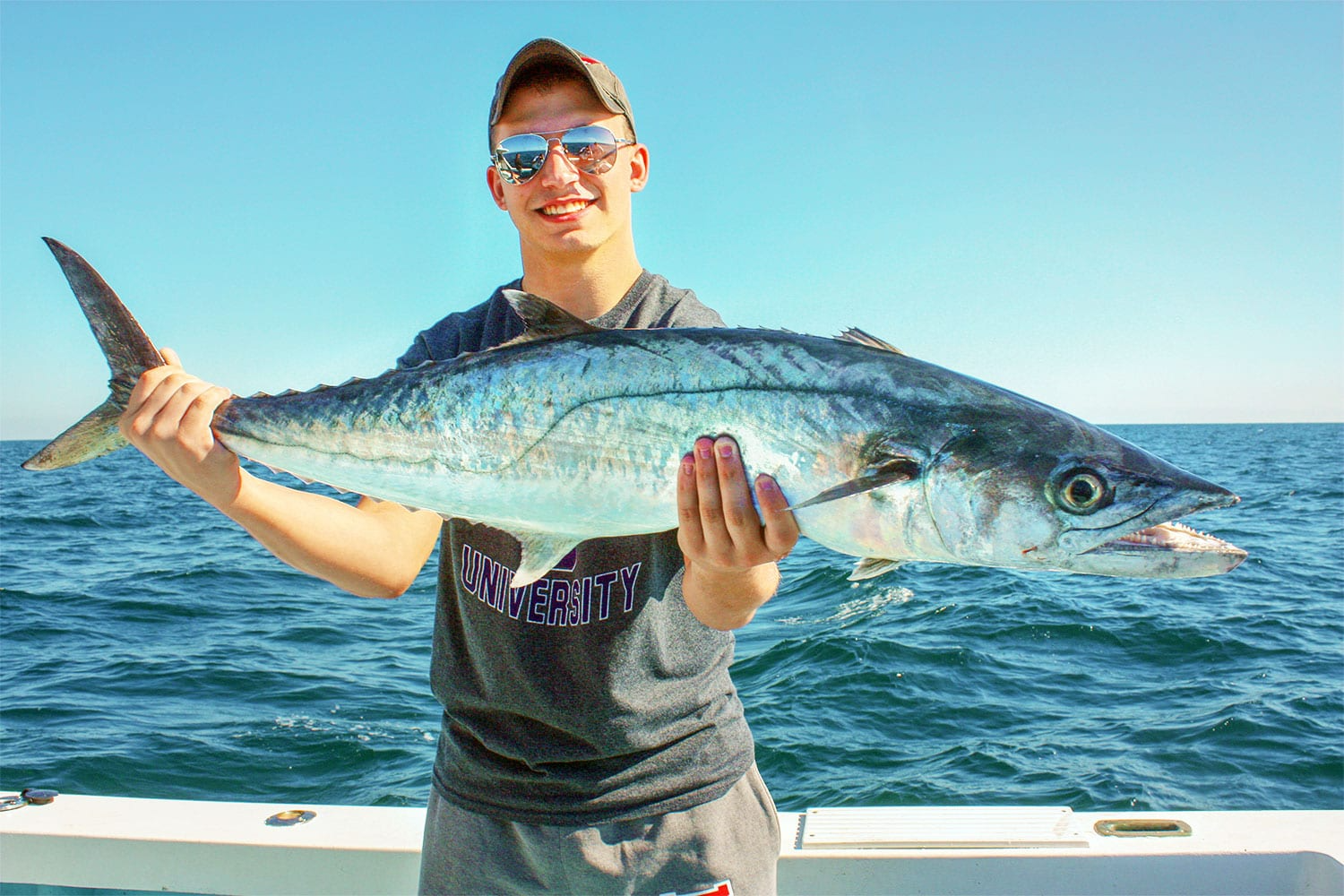
5. King Mackerel
On nearly every health advisory list, king mackerel is flagged for its very high mercury content. Health experts strongly advise children and pregnant women to avoid it altogether.
6. Tilefish (Gulf of Mexico)
Tilefish from the Gulf of Mexico is considered one of the most mercury-contaminated fish available. The FDA and EPA both recommend avoiding it, especially for people with any health vulnerabilities.
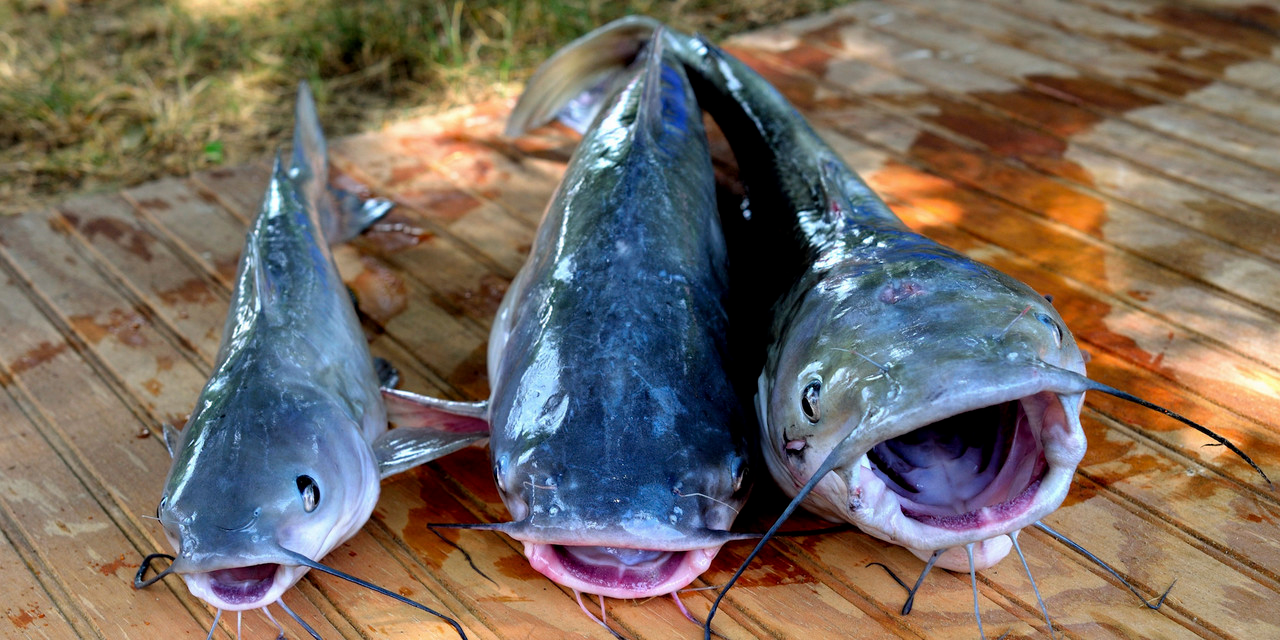
7. Imported Catfish
Much of the catfish sold in grocery stores is imported from countries with lax food safety standards. These fish may be treated with banned antibiotics and raised in polluted waters, leading to serious health risks.
8. Chilean Sea Bass
Despite its delicious buttery texture, Chilean sea bass is high in mercury and often caught using unsustainable or illegal methods. This species is also overfished, making it an environmentally and medically poor choice.
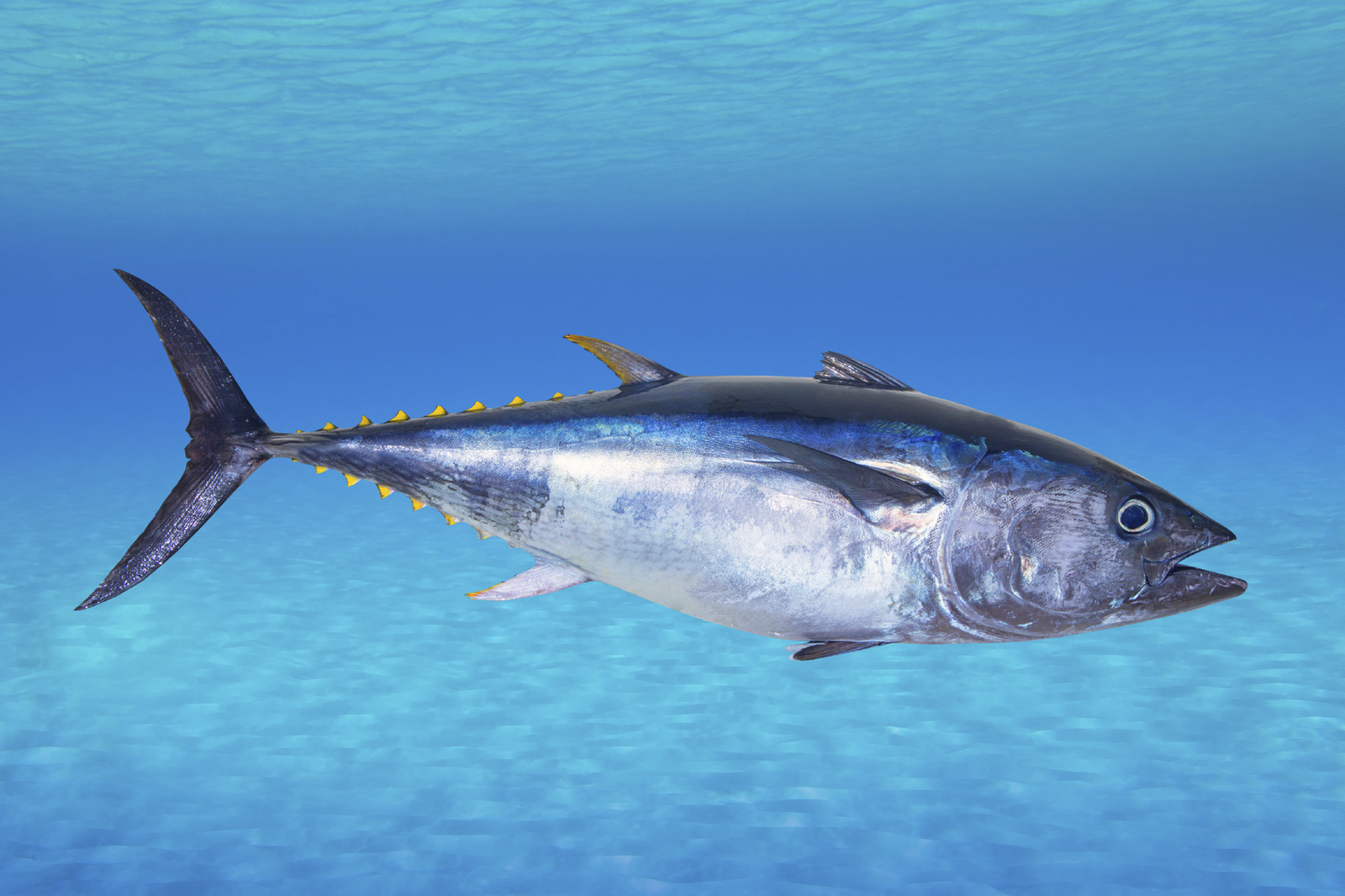
9. Bluefin Tuna
Popular in sushi and high-end restaurants, bluefin tuna is critically endangered and extremely high in mercury. Regular consumption can increase mercury levels in the body and contribute to long-term health problems.
10. Eel (Unagi)
Eels—especially freshwater species—soak up contaminants from their environment. Tests have found eels often contain PCBs and flame retardants, making them one of the most contaminated seafood options.
11. Orange Roughy
This deep-sea fish can live up to 150 years, giving it plenty of time to absorb mercury and other ocean pollutants. Orange roughy is also threatened by overfishing, and its slow reproduction rate makes it vulnerable to population collapse.
12. Grouper
Grouper is known for containing high levels of mercury and is also at risk for ciguatera poisoning, a foodborne illness caused by toxins found in some reef fish. These toxins cannot be destroyed by cooking or freezing.
Final Thoughts
Fish can be a wonderful part of a healthy diet—but only if you choose wisely. To minimize your exposure to harmful toxins:
-
Opt for low-mercury fish like wild salmon, sardines, haddock, and cod.
-
Check labels and look for seafood certified as sustainably caught.
-
Avoid imported or farmed fish from regions with poor environmental and food safety records.
By being selective about the seafood you buy, you can enjoy the health benefits of fish—without the hidden dangers.