In late February 2026, the United States and the State of Israel launched one of the most significant military operations in the Middle East in decades.
Striking numerous strategic and military sites inside the Islamic Republic of Iran. The joint offensive — described in planning as Operation Lion’s Roar — began on February 28, 2026.
With coordinated air and missile attacks aimed at degrading Iran’s military capabilities and preventing what U.S. and Israeli officials characterized as imminent threats from Iranian missile and nuclear programs.
Scale and Scope of the Initial Strikes
According to military statements and independent reporting, the combined U.S.–Israeli operation struck hundreds of targets across multiple Iranian provinces, including air defense systems, missile launch sites, Revolutionary Guard installations, and other infrastructure Tehran has used to project power regionally.
Israeli forces reported dropping over 1,000 munitions across 24 of Iran’s 31 provinces. Iran’s air defenses were challenged, and smoke was seen rising over Tehran following the earliest strikes.
Death of Iran’s Supreme Leader
Iranian state media confirmed the death of Supreme Leader Ayatollah Ali Khamenei in the aftermath of the February 28 attacks.
Khamenei, who had led the Islamic Republic since 1989, was a central figure in shaping Iranian domestic and foreign policy, including support for regional proxy forces and resistance groups.
Multiple international news agencies reported that his passing was confirmed by Iranian officials — a development described as deeply destabilizing for Iran’s political system.
Independent fact‑checkers also noted that some images and videos circulating online claiming to show Khamenei’s body were false or AI‑generated, reflecting the intense misinformation environment that accompanies modern conflicts.
Iran’s Immediate Military Response
Within hours of the U.S.–Israeli strikes, Iran launched a broad retaliatory campaign using ballistic missiles and drones.
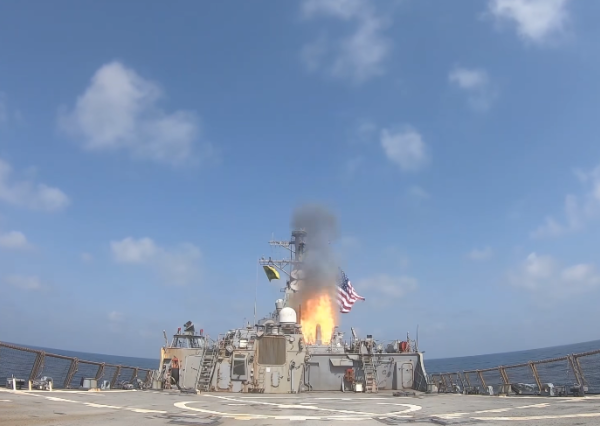
These strikes targeted several locations across the Middle East, including bases housing U.S. forces and areas within Israel.
Regional allies and Iranian‑aligned militias also participated in the counter‑attacks. These exchanges marked a rapid escalation from long‑standing tension to active, kinetic warfare.
Casualties and Human Impact
Initial reporting from international outlets highlighted that the conflict resulted in:
-
Significant casualties among Iranian military personnel and political leadership, including top commanders — though precise numbers remain difficult to verify independently.
-
U.S. service members killed and wounded during Iran’s retaliation, as stated by U.S. military sources.
-
Reports of civilian deaths and injuries in Iran, Israel, and elsewhere in the region as a result of explosions, airstrikes, and missile interceptions.
Political and Strategic Reactions
The joint U.S.–Israeli operation drew a wide range of reactions around the world:
-
U.S. leadership defended the strikes as defensive and aimed at preventing a future nuclear threat, with statements emphasizing the need to dismantle systems that could be used against American and allied interests.
-
Russia and China criticized the attacks, calling for diplomatic solutions and warning against wider regional destabilization.
-
The United Nations Security Council held emergency meetings, with the U.N. Secretary‑General condemning the strikes as raising serious legal concerns under international law and urging de‑escalation.
-
European nations offered a mixed response — some urging restraint and others calling for renewed nuclear negotiations with Iran.
Broader Regional Escalation
The conflict has not remained confined to Iran itself. Allied groups such as Hezbollah in Lebanon launched missile strikes into northern Israel, prompting Israeli bombardment of Lebanese territory.

These engagements are part of a broader escalation that threatens to draw multiple regional actors into sustained hostilities.
Global Economic and Strategic Consequences
One of the immediate global impacts of the conflict has been on shipping and energy markets.
Iran’s warnings and military pressures around the Strait of Hormuz — a crucial maritime channel through which an estimated 20% of the world’s seaborne oil passes — contributed to a sharp decline in Gulf transit traffic and increased volatility in global energy prices.
Domestic U.S. Political Response
Within the United States, the strikes and their aftermath have sparked widening debate among political leaders:
-
Some lawmakers highlighted constitutional concerns, arguing that significant military action should have the authorization of Congress rather than being conducted solely under executive direction.
-
Others have expressed worry about the long‑term implications of a large‑scale war without clear strategic objectives or exit conditions.
This reflects broader divisions within American political discourse on foreign policy and military commitment abroad.
Context and Ongoing Developments
This conflict continues to evolve rapidly. Reliable reporting from major international outlets such as Reuters, PBS NewsHour, Al Jazeera, and others should be consulted for the latest updates.
Fact‑checking organizations warn that misinformation spreads quickly in such environments, so claims — especially those circulating online without credible sourcing — should be treated cautiously.