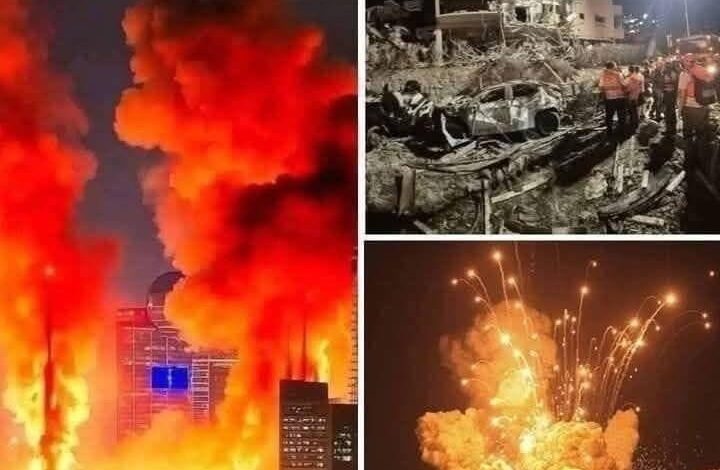
A massive hillside fire has torn through a vulnerable district, leaving devastation on a scale that residents are only beginning to comprehend. Early assessments estimate that at least 300 homes have been damaged or completely destroyed, turning once-familiar neighborhoods into stretches of ash, twisted metal, and scorched earth. For hundreds of families, everything they owned was erased in a matter of hours.
The fire moved fast, driven by dry conditions, wind, and terrain that offered little resistance once the flames took hold. Entire streets were swallowed before residents could fully grasp what was happening. Some escaped with only the clothes they were wearing. Others had minutes to grab children, pets, and whatever they could carry before evacuating. By the time the fire was contained, the physical destruction was unmistakable—and the emotional toll even heavier.
Emergency shelters were quickly established in schools, community centers, and temporary facilities. Mattresses lined gym floors. Volunteers distributed blankets, bottled water, and hot meals. Medical teams treated burns, smoke inhalation, and stress-related conditions, while counselors worked quietly in corners with people still in shock. For many, the reality had not yet settled in. They were safe, but they were homeless.
In the immediate aftermath, officials focused on lifesaving measures: ensuring evacuations were complete, accounting for residents, restoring basic utilities where possible, and preventing flare-ups from reigniting the fire. Fire crews remained on high alert, patrolling blackened hillsides where smoldering debris could easily spark new danger. The air remained thick with smoke, and ash coated cars, sidewalks, and lungs.
But once the flames died down, a more complex and longer struggle began.
For families who lost their homes, the challenges extend far beyond finding a place to sleep. Important documents were destroyed. Medications were lost. Schools were disrupted. Livelihoods tied to home-based work or nearby businesses vanished overnight. Renters face uncertainty about where they will live next. Homeowners are bracing for insurance battles that may stretch on for months or years.
The fire also exposed deeper structural problems that had been present long before the first spark. Many of the homes affected were built with materials highly vulnerable to fire, clustered closely together on steep terrain with limited access roads. Emergency response was complicated by narrow streets and inadequate infrastructure. For years, residents had warned about the risks. This disaster made those warnings impossible to ignore.
Local authorities have acknowledged that rebuilding cannot simply mean restoring what existed before. There is growing pressure to rethink zoning, construction standards, and fire mitigation strategies in high-risk areas. Rebuilding with fire-resistant materials, improving road access for emergency vehicles, creating defensible space around homes, and investing in early warning systems are no longer optional discussions—they are urgent necessities.
Beyond infrastructure, the fire has laid bare long-standing social and economic vulnerabilities. Many of the families affected were already living close to the edge, with limited savings and few resources to absorb a catastrophe of this magnitude. Without sustained support, the risk of displacement becomes permanent. Recovery, in this sense, is not just about reconstruction—it is about preventing an entire community from being pushed out by disaster.
Still, amid the devastation, signs of resilience have emerged.
Neighbors who barely knew each other before the fire are now sharing food, rides, and information. Local organizations have mobilized volunteers to help sift through debris, recover salvageable items, and provide emotional support. Donation centers are overflowing with clothes, supplies, and offers of temporary housing. Small acts—someone offering a phone charger, a warm meal, a listening ear—have become lifelines.
Community leaders are calling for coordinated action that goes beyond short-term relief. They stress that emergency aid must transition into sustained investment: housing assistance, mental health services, rebuilding grants, and oversight to ensure resources reach those who need them most. The success of recovery will depend not on promises made in the immediate aftermath, but on follow-through months and years down the line.
Environmental experts have also weighed in, warning that fires of this scale are becoming more frequent and more destructive. Changing climate patterns, prolonged droughts, and expanding development in fire-prone areas have created conditions where a single ignition can escalate into a large-scale disaster. The lesson, they argue, is not just about responding faster, but about planning smarter and acting earlier.
For residents standing in the ruins of their former homes, those broader debates feel distant. Right now, the losses are deeply personal. A child’s bedroom reduced to charred framing. Family photos gone forever. A kitchen table where decades of meals were shared, now nothing but blackened debris. Grief comes in waves, mixed with anger, exhaustion, and fear of what comes next.
Yet many survivors speak with a quiet determination. They talk about rebuilding, about keeping their community together, about making sure this disaster leads to change rather than being forgotten once headlines fade. They know recovery will be long and uneven, but they also know that abandonment would be the final, cruelest blow.
As cleanup begins and assessments continue, the true measure of this tragedy will be how it reshapes priorities. If rebuilding efforts address the root causes that made the area so vulnerable—unsafe construction, inadequate infrastructure, and unequal access to resources—then the devastation may at least lead to greater safety and dignity in the future.
If not, the cycle will repeat.
For now, the district mourns its losses and leans heavily on collective strength. The flames have passed, but the work ahead is immense. What remains to be seen is whether the response will match the scale of the destruction—or whether the burden of recovery will once again fall disproportionately on those who can least afford it