For many people, especially those who have spent a lifetime walking barefoot around the house, the idea of wearing socks indoors can feel unnecessary. Bare feet often signal relaxation and familiarity. Yet as the body ages, small changes in daily habits can have a surprisingly large impact on comfort, safety, and overall well-being. Wearing socks at home is one of those quiet adjustments that may seem insignificant but can meaningfully support foot health, circulation, and daily ease.
Aging naturally brings changes to the feet. Skin becomes thinner and more fragile, fat padding on the soles decreases, and sensitivity to temperature increases. Circulation also tends to slow with age, making cold hands and feet more common, even in mild environments. Hard flooring, cool tiles, and drafts that once went unnoticed can begin to cause discomfort, stiffness, or a persistent feeling of chill. Socks provide a simple buffer between the feet and the environment, helping the body maintain balance and comfort throughout the day.
One of the most immediate benefits of wearing socks indoors is warmth. Cold feet are more than a nuisance; they can affect how the entire body feels. When feet are exposed to cold surfaces, blood vessels may constrict, reducing circulation and intensifying sensations of stiffness or numbness. Gentle warmth from socks encourages blood flow, helping feet feel more relaxed and responsive. Over time, this can make walking, standing, and even sitting more comfortable, particularly during colder months or in homes with tile, stone, or hardwood floors.
Material choice plays an important role. Soft, breathable fabrics such as cotton, bamboo, or merino wool help regulate temperature without trapping moisture. These materials keep feet warm while allowing airflow, reducing the risk of sweat buildup or irritation. For older adults with sensitive skin, seamless socks or those designed specifically for comfort can prevent pressure points and rubbing. The goal is not heavy insulation, but consistent, gentle warmth that supports circulation without discomfort.
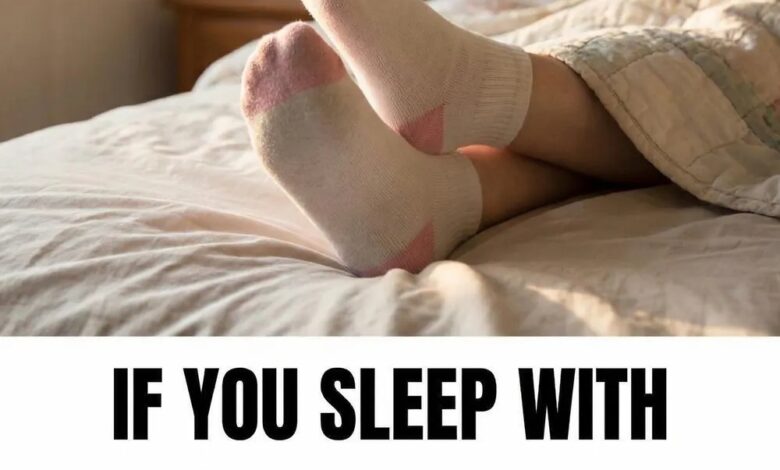
Wearing socks indoors can also contribute to better rest and relaxation. The body relies on subtle temperature cues to transition into sleep. Warm feet help signal the nervous system that it is time to wind down. For older adults who struggle with falling asleep or staying asleep, lightweight socks can help maintain a stable body temperature overnight. This reduces disruptions caused by cold feet and supports deeper, more restorative rest. It is a simple, non-invasive habit that aligns with the body’s natural rhythms.
Beyond temperature regulation, socks provide valuable protection for aging feet. Skin on the feet can become dry and prone to cracking, especially around the heels. Walking barefoot on hard or dry surfaces can worsen this, leading to discomfort or even small wounds. Socks create a protective layer that reduces friction and helps retain moisture, particularly when paired with regular foot care. This barrier also shields feet from dust, bacteria, and minor abrasions that can occur during everyday movement around the home.
Safety is another key consideration. Falls are a significant concern as people age, and many occur indoors. Bare feet or slippery socks on smooth floors can increase the risk of losing balance. Non-slip socks, designed with grip patterns on the soles, offer added traction without the bulk of shoes. They allow for natural movement while reducing the chance of sliding on tile or wood. For older adults who prefer not to wear shoes indoors, non-slip socks strike a practical balance between comfort and safety.
Hygiene benefits should not be overlooked. Socks help keep feet clean by limiting direct contact with floors, which can harbor dust, allergens, and bacteria. This is especially helpful for individuals with compromised skin integrity or conditions that affect healing. Regularly changing socks keeps feet fresh and dry, reducing the risk of fungal infections and irritation. Choosing socks that fit well—neither too tight nor too loose—ensures comfort while supporting healthy circulation.
Wearing socks indoors can also support daily mobility. When feet are warm and protected, people are often more confident moving around their home. Reduced stiffness and improved comfort can encourage light activity, whether it’s walking from room to room, doing household tasks, or standing for short periods. These small movements contribute to maintaining strength, balance, and independence over time. Comfort supports activity, and activity supports long-term health.
It’s worth noting that wearing socks indoors does not mean abandoning personal preference or comfort. The habit can be adapted to individual needs. Some people prefer thin socks during the day and warmer ones in the evening. Others may choose socks only during colder seasons. The key is awareness: understanding that feet need more care as the body changes, and responding with simple, supportive choices.
Foot health is closely connected to overall well-being. Discomfort in the feet can affect posture, balance, and even mood. By keeping feet warm, protected, and comfortable, socks help support the foundation of daily movement. This small habit can reduce minor annoyances that add up over time, making daily routines feel easier and more enjoyable.
Wearing socks indoors is not about restriction or inconvenience. It is about adapting gently to the body’s evolving needs. As we age, comfort often comes from small, thoughtful adjustments rather than dramatic changes. Socks offer warmth, protection, safety, and a sense of ease—all without effort or expense.
In the end, the value of wearing socks indoors lies in consistency. A simple pair of well-chosen socks can quietly support circulation, protect sensitive skin, improve rest, and reduce risks around the home. It’s a modest habit with meaningful benefits, proving that sometimes the simplest choices are the ones that contribute most to long-term comfort and quality of life.


