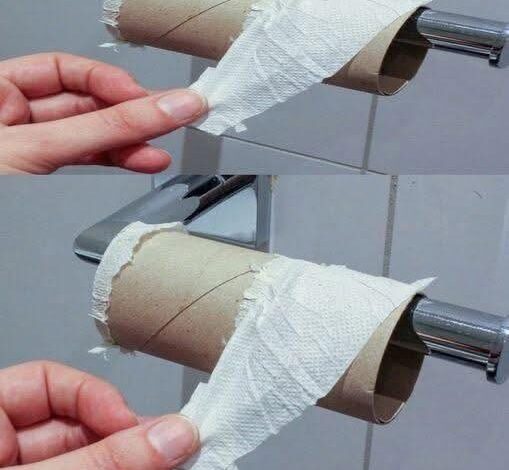
The bathroom, long considered a private sanctuary of habit and ritual, is currently undergoing its most significant transformation in over a century. For generations, the presence of a paper roll beside the toilet was an unquestioned fixture of modern life, an emblem of Western convenience that few stopped to analyze. However, as we move through 2026, a profound shift in consumer consciousness is underway. Small, daily habits that were once taken for granted are being reexamined through the lens of global sustainability. This movement toward eco-conscious bathroom choices is not merely a passing trend; it is a fundamental rethinking of personal hygiene and its relationship with the natural world.
The narrative of the modern bathroom begins in the mid-19th century, when the mass production of perforated paper rolls fundamentally changed how the world approached cleanliness. It was a revolution of convenience that quickly became a global standard, yet this standard came with an invisible and mounting environmental price tag. Today, the scale of that impact is staggering. The production of traditional toilet paper requires the harvesting of millions of trees annually, many of which are sourced from ancient, carbon-rich forests. Beyond the loss of biodiversity and carbon sequestration, the manufacturing process is incredibly resource-intensive, demanding billions of gallons of water and vast amounts of energy for pulping, bleaching, and drying.1 When one considers the added carbon footprint of global transportation and the mountains of plastic packaging, the “disposable” nature of the product begins to look like a luxury the planet can no longer afford.
As public awareness regarding deforestation and water scarcity grows, consumers are beginning to connect their morning routines with the health of distant ecosystems. This realization has sparked a quest for alternatives that align with a more mindful way of living. People are no longer satisfied with products that are simply convenient; they are looking for solutions that balance personal comfort with a lower environmental impact. This shift is part of a broader “zero-waste” movement that encourages individuals to look at their trash bins as a metric of their environmental footprint.
Parallel to environmental concerns is a rising interest in the safety and transparency of household materials. While the paper industry adheres to strict safety standards, modern consumers are increasingly wary of the chemical processes used to achieve that characteristic soft, white texture. Awareness campaigns have highlighted the use of chlorine bleaches, fragrances, and dyes in some conventional products, prompting shoppers to seek out more natural, unbleached, or recycled alternatives. This scrutiny has created a “clean label” movement within the household goods sector, where the simplest materials are often viewed as the most sophisticated and safe.2
This quest for a better way has led many in Western cultures to look toward the East and the Mediterranean, where water-based hygiene has been the standard for centuries. In many parts of the world, washing with water is not just a preference; it is considered the only true way to achieve cleanliness. Water is inherently gentler on the skin, more effective at cleansing, and—most importantly—it circumvents the need for massive amounts of paper.3 As international travel and digital connectivity have blurred cultural lines, the bidet, once a misunderstood European curiosity, is experiencing a massive resurgence in North American and Australian markets.
Modern technology has played a pivotal role in making this transition accessible. The high-tech, integrated toilet systems of the past, which often cost thousands of dollars, have been replaced by a new wave of affordable, sleek bidet attachments. These devices can be installed on existing toilets in a matter of minutes, requiring no specialized plumbing and making sustainable hygiene available to renters and homeowners alike. These systems offer adjustable water pressure and temperature, providing a level of comfort that a dry paper product simply cannot match. For many, the switch to a water-based system feels less like a sacrifice and more like an upgrade to their quality of life.
In addition to water-based solutions, there is a burgeoning interest in reusable fabric products. While the idea of “family cloth” or reusable wipes was once relegated to the fringes of the environmental movement, it is now gaining traction among those committed to a truly circular economy. These fabric alternatives, often made from organic cotton or bamboo, are designed to be laundered and reused for years, drastically reducing a household’s long-term waste and expenses. When combined with a bidet for cleansing, these soft cloths are used only for drying, making the process sanitary, comfortable, and remarkably efficient.
The economic argument for sustainable bathroom choices is also becoming impossible to ignore. While there is an upfront cost to installing a bidet or purchasing reusable textiles, the long-term savings are significant.4 A typical household can spend hundreds of dollars annually on paper products that are designed to be used once and flushed away. By investing in durable, water-based solutions, families are not only protecting the environment but also insulating themselves against the rising costs and supply chain fluctuations of paper goods. This blend of environmental ethics and fiscal responsibility is a powerful motivator for the modern consumer.
Ultimately, the rise of sustainable bathroom choices represents a shift toward “mindful living”—a philosophy where every action, no matter how small or private, is performed with an awareness of its broader consequences. It is a recognition that the “disposable” culture of the 20th century is incompatible with the resource constraints of the 21st. The transition away from heavy paper reliance is a quiet rebellion against the idea that convenience must come at the expense of the earth.
As we look toward the future, the bathroom of 2030 will likely look very different from the one we inherited. It will be a space defined by efficiency, where water is the primary agent of cleanliness and waste is minimized through intentional design. This evolution shows that even the most ingrained habits can be changed when people are provided with better, more thoughtful alternatives. The future of the bathroom is not just about hygiene; it is about creating a home that respects the planet, proving that even the smallest changes in our private rituals can contribute to a much larger, healthier global ecosystem.