In the modern home, electricity is often viewed as a passive utility—a resource that is only “active” when a switch is flipped or a button is pressed. However, beneath the surface of our daily routines, a silent phenomenon known as “phantom power” or “vampire energy” is quietly draining resources and inflating utility costs. While many households are aware that unplugging appliances is a generally positive habit, the true depth of its impact on both financial health and domestic safety is frequently underestimated. To master the art of efficient living, one must look beyond the visible glow of a television screen and address the invisible current that flows through our homes 24 hours a day.
The concept of phantom power refers to the electricity consumed by electronic devices while they are switched off or in standby mode. In our increasingly connected world, almost every modern convenience—from the microwave in the kitchen to the smart speaker in the bedroom—is designed to be “always ready.” This convenience comes at a price. Internal clocks, remote control sensors, and standby lights require a constant trickle of energy to remain functional. While the draw of a single phone charger left in the wall might seem negligible, the cumulative effect of twenty or thirty such devices across an entire house can account for up to 10% of a monthly electricity bill. Over the course of a year, this “vampire” consumption represents a significant financial leak that serves no practical purpose for the homeowner.
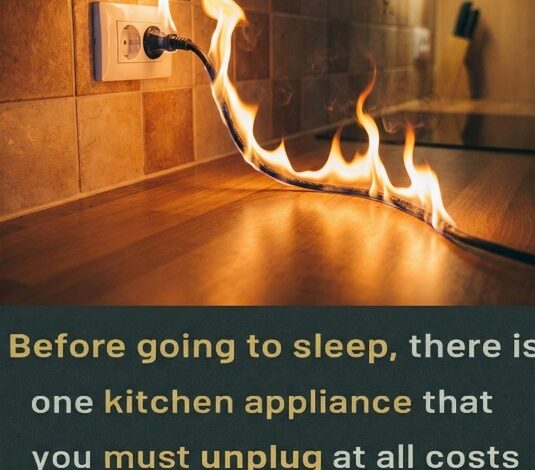
Beyond the clear economic incentives, the decision to unplug is rooted in the fundamental principles of fire prevention and home security.1 An energized device is a device capable of malfunctioning. Heating tools, such as hair dryers, curling irons, and clothing irons, are notorious for their high energy draw and their potential for disaster if left connected. While most modern tools have auto-shutoff features, these electronic sensors are not infallible. A simple mechanical failure or a localized power surge can bypass these safety measures, turning a forgotten hair straightener into a potent fire hazard. By physically disconnecting these items from the wall, you remove the source of heat entirely, creating a definitive fail-safe that no “smart” sensor can replicate.
Similarly, small kitchen appliances carry hidden risks that develop over time.2 Toasters and toaster ovens are frequent culprits in domestic electrical issues.3 Over months of use, these devices accumulate crumbs and debris that settle near the heating elements. In older or poorly maintained units, these dry particles can ignite if the device experiences a minor internal short-circuit while plugged in. Furthermore, the insulation on power cords can degrade over years of being bent or tucked behind counters.4 A plugged-in cord is always “hot,” meaning that any fraying or damage can lead to arcing and potential sparks, even if the appliance itself is turned off.+2
The scope of mindful unplugging extends to larger electronics that we often take for granted. Entertainment systems, including gaming consoles, soundbars, and cable boxes, are among the most aggressive energy vampires in a typical household. Many of these devices never truly power down; instead, they enter a “low-power” state to allow for background software updates or faster boot times. While this feature is convenient, it results in a constant drain that adds up to thousands of hours of unnecessary energy use per year. Even laundry appliances, such as modern washing machines with digital displays and touch-sensitive controls, contribute to the phantom load when they are not in use.
Of course, the challenge for the modern homeowner is balancing energy efficiency with practicality. It is neither realistic nor efficient to move heavy furniture every night to reach the outlet behind the refrigerator or the oven. The key to a successful unplugging strategy lies in identifying “high-impact” targets—devices that are used frequently but sit idle for long periods. Coffee makers, desktop computers, and guest room electronics are perfect candidates for this habit. By focusing on the items that are easily accessible and frequently unused, homeowners can achieve maximum results with minimal disruption to their daily flow.
To make this transition seamless, one should look toward simple technological aids. Power strips with dedicated on-off switches are perhaps the most effective tool in the efficiency toolkit. By grouping entertainment components—such as the TV, console, and speakers—onto a single strip, you can disconnect the entire system with a single tap of your foot before heading to bed. For those who prefer a more automated approach, smart plugs and timers can be programmed to cut power during the hours you are typically at work or asleep.5 These small investments pay for themselves within months through the resulting energy savings.
Developing these habits also contributes to a profound psychological shift in how we inhabit our spaces. When you make the conscious effort to “power down” your home before leaving or going to sleep, you are practicing a form of environmental mindfulness. It encourages a deeper awareness of how we consume resources and reinforces the idea that we are active stewards of our own environments. This sense of control brings a unique peace of mind, knowing that the home is as safe and efficient as possible while you are away.
Ultimately, the act of unplugging is a small lifestyle adjustment that offers a triad of benefits: lower utility costs, enhanced physical safety, and a reduced carbon footprint. In an era where energy prices are volatile and environmental responsibility is paramount, these “micro-habits” represent the foundation of a responsible household. The time spent reaching for a plug is a small price to pay for the long-term security and financial freedom it provides. By turning off the “vampires” in the walls, we protect our budgets, our families, and the future of our planet, one outlet at a time.