The parents married their daughter off to an Arab billionaire, but already the next day they learned that their daughter was no longer alive: when the grief-stricken parents found out the reason, they were utterly horrified 

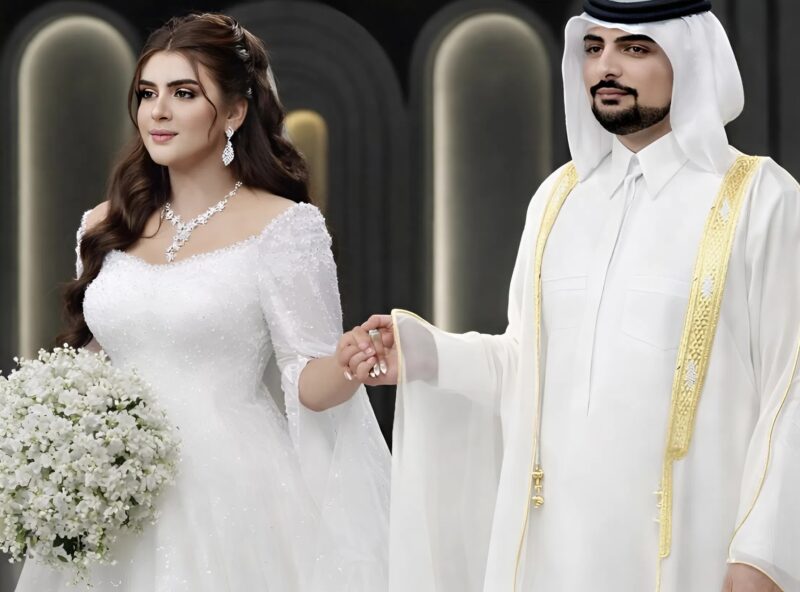
Teresa had never chased wealth. She simply wanted stability and someone beside whom she could feel safe. When he appeared in her life — a mature, confident, impeccably polite man from the East — everything seemed too perfect to be true.
He courted her beautifully. Without vulgar promises, without pressure. He spoke calmly, looked her straight in the eyes, and always kept his word. After a few months, he proposed. Without pomp, without an audience — he simply said:
— I want you to be my wife.
Teresa agreed.
The wedding preparations swept her away completely. A new city, the hot air, a luxurious house, servants, drivers, security. Everything looked like an Eastern fairy tale.
On the eve of the wedding, there was the henna night. Women from both families gathered in one room. They painted patterns on Teresa’s hands and feet, sang songs, whispered advice about marriage, about patience, about the role of a wife. She was a little nervous, but attributed it to the excitement before the big day.
The wedding was perfect. A white dress, gold, music, hundreds of guests. She stood next to her husband and felt it: this was it — a new life.
But the next morning, Teresa was already dead.
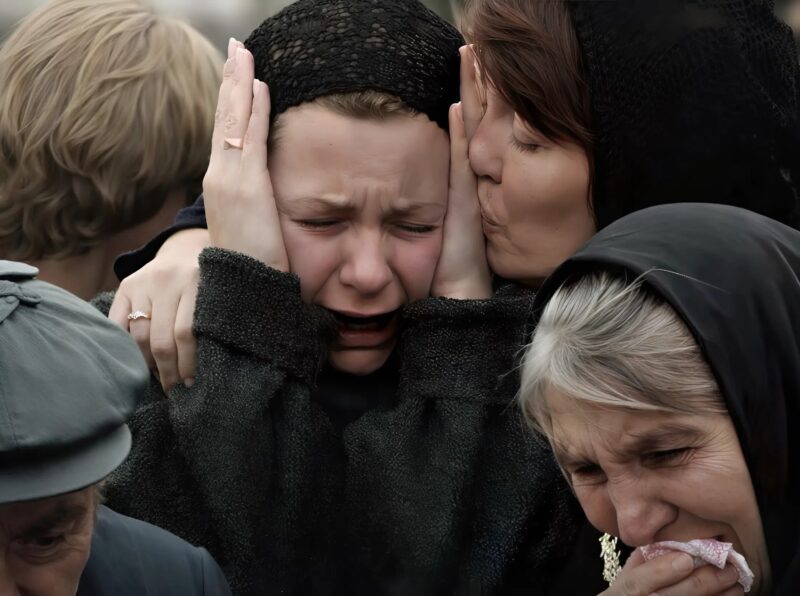
At first, everyone was told it had been an accident. Then they said it was a sudden deterioration of her health. The documents were processed quickly. Too quickly.
The parents were informed only after the funeral.
And only when they tried to find out the truth did something come to light that filled everyone with horror…  Continuation in the first comment
When the guests had left, Teresa was not taken to her husband’s bedroom, but to a separate room. Several elderly women from his family were already waiting there. They spoke calmly, as if discussing something ordinary.
They explained that in their family there existed an ancient ritual to confirm the bride’s purity and obedience. A ritual carried out immediately after the wedding and not subject to refusal. Teresa was told it was an honor. That it had always been this way.
She was forced to take part in a ritual for which she was neither physically nor psychologically prepared. She felt ill almost immediately. Her heart could not withstand the strain and the extreme stress.
The ambulance was called too late. By morning, Teresa was dead.
The documents stated: “natural causes of death.” No examinations. No investigation.
The parents were informed only after the funeral. And when they began to insist and ask questions, they were quietly told:
— These are our traditions. She became part of the family and accepted them.
For the husband’s family, it was a ritual. For Teresa’s parents — madness that cost them their daughter.