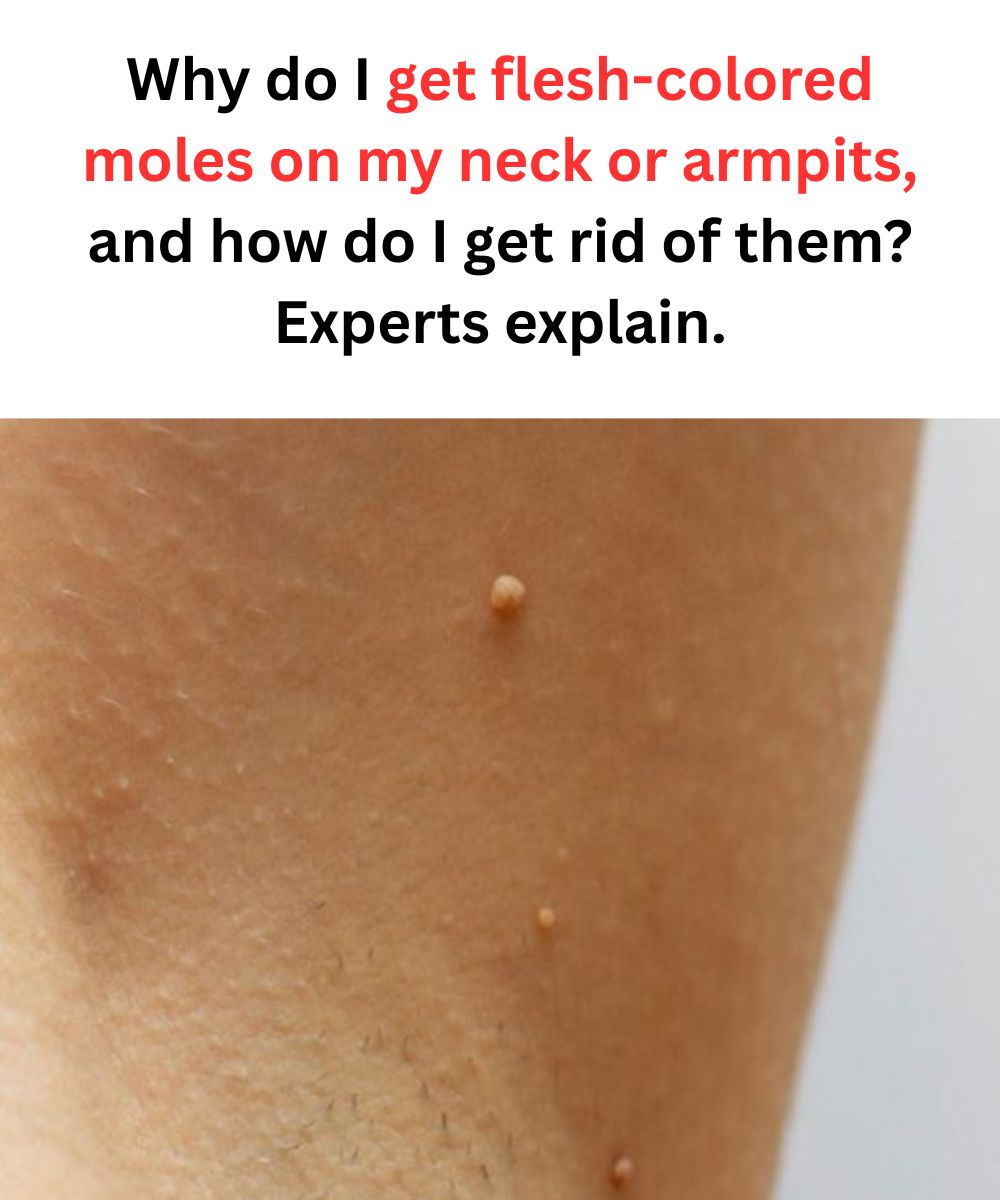
Skin tags, medically known as acrochordons or soft fibromas, are small skin growths that usually appear in areas of the body where there are folds, such as the neck, armpits, eyelids, groin, and under the breasts.
Although they are harmless and generally painless, they can be bothersome or unsightly for some people. If you’re wondering why these skin tags appear and how you can safely remove them, here’s everything you need to know, with expert advice.
Why do skin tags appear?
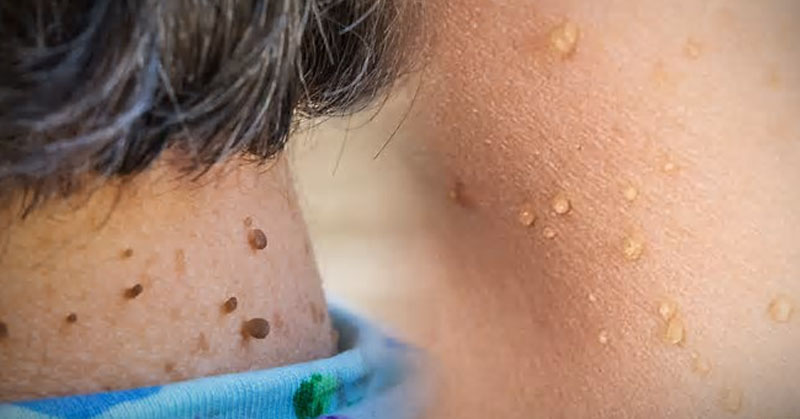
Skin tags are benign skin growths composed of collagen and blood vessels surrounded by a layer of skin. Although their appearance can be influenced by several factors, some of the most common causes include:
1. Friction and Chafing:
One of the main reasons why moles appear in areas like the neck and armpits is constant skin friction, either from clothing rubbing against skin or natural body movement. Repeated friction can trigger a skin reaction that results in the formation of these bumps.
2. Genetic Factors:
Genetics plays an important role in the appearance of moles. If your parents or close relatives have them, you are more likely to develop these skin growths as well.
3. Hormonal Changes:
Hormonal changes, especially during pregnancy or in overweight people with insulin resistance, can increase the likelihood of developing moles. These hormonal changes can stimulate cell growth in the skin, leading to the formation of skin tags.
4. Age:
Although skin tags can appear at any age, they are more common as we age. After the age of 40, the skin tends to lose elasticity and is more prone to developing these growths.
5. Obesity and Metabolic Syndrome:
People who are overweight or suffer from metabolic syndrome are at greater risk of developing skin tags due to the increased number of skin folds and the resulting friction.
6. Type 2 Diabetes:
There is a link between skin tags and insulin resistance or type 2 diabetes. It is believed that elevated insulin levels in the body can promote the growth of these tags.
How to Remove Skin Tags?
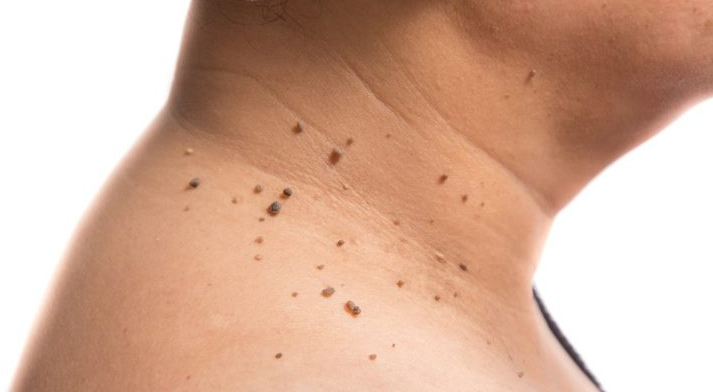
While moles are benign and don’t require medical treatment unless they cause discomfort, there are several options for removing them, whether for cosmetic reasons or because they become irritated by clothing or rubbing.
It’s important that any procedure be performed by a specialist to avoid complications. Below are some common methods for removing them:
1. Cauterization: This procedure involves burning the moles with a controlled electric current. Cauterization is quick and effective, and generally leaves no visible scars. It’s an option commonly used by dermatologists to remove small moles.
2. Cryotherapy: Cryotherapy involves freezing the moles with liquid nitrogen. This method freezes and destroys the mole’s tissue, causing it to eventually fall off. Cryotherapy is a quick and generally painless procedure, although it may cause mild temporary skin discoloration in the treated area.
3. Surgical Excision: For larger moles or if there is doubt about the diagnosis, a dermatologist may choose to excise the mole with a scalpel. This procedure is performed under local anesthesia and is effective at removing the mole at its root, preventing its recurrence.
4. Laser: Laser treatment uses a beam of light to remove the mole. The laser is precise and minimizes damage to the surrounding skin, making it a preferred option for sensitive areas such as the eyelids or neck.
5. Bands or Ties: In some cases, dermatologists may use a technique called ligation, where a surgical cord is tied around the base of the mole to cut off its blood supply. This causes the mole to dry out and fall off on its own after a few days.
Post-Removal Care
After removing a mole, it is important to follow your doctor’s instructions for skin care and preventing infection. Keep the area clean and dry, and apply prescribed antibiotic ointments if necessary. Avoid scratching or rubbing the treated area and protect your skin from the sun, as the new skin may be more sensitive to sunlight and prone to pigmentation.
When to see a specialist?
Although skin tags are benign, it’s important to see a dermatologist if you notice changes in their appearance, such as rapid growth, bleeding, pain, or changes in color. These symptoms may indicate that the skin tag is not a simple skin tag and that further evaluation is necessary.
In conclusion, skin tags on the neck and underarms are common and generally harmless, but if you want to remove them, there are several options available. Always seek the advice of a specialist before attempting any at-home treatment, and opt for professional methods to ensure a safe and effective procedure.