
Many children experience a quiet longing for something just beyond their reach.
It is not born from a lack of enthusiasm, ability, or curiosity—it is often simply a reflection of circumstances that place certain dreams just out of grasp.
For one young girl, that dream was deceptively simple: she longed to play basketball.
Not for glory, trophies, or recognition, but for the joy of being part of a game she admired from afar, of feeling included in something that gave others laughter and camaraderie.
She watched the game, studied the movements, and imagined herself running alongside the children, feeling the weight of the ball in her hands and the satisfying thump as it bounced on the asphalt.
Yet for years, that desire remained just beyond reach, quiet but persistent, shaping her world in small, significant ways.
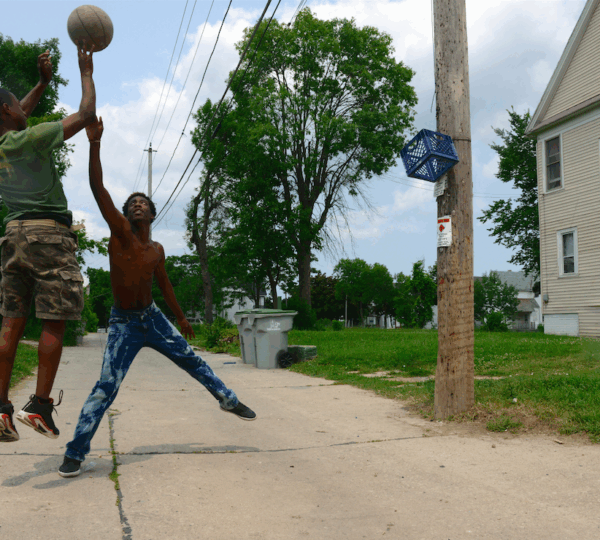
She lived in a warm, friendly neighborhood where the air carried the scent of summer flowers, freshly cut grass, and the occasional waft of dinner cooking in nearby kitchens.
The sound of children’s laughter echoed down the streets in the afternoons, blending with the cheerful chimes of ice cream trucks and the distant hum of bicycles as families moved about their routines.
Her home, though modest, was full of love and small joys: the aroma of homemade bread baking on Sundays, the gentle sound of music playing while her parents worked or cleaned, and the quiet moments when she would curl up with a book in a sunlit corner.
At seven years old, she was imaginative, sensitive, and full of curiosity.
Her small hands were always busy—drawing, crafting, exploring—and her mind constantly raced with questions about the world around her.
Yet despite her energy and creativity, there remained a quiet longing in her heart, a wish that she did not yet know how to voice.
Across the street, in a well-kept yard, stood a basketball hoop that had seen countless games over the years.
Children from the neighborhood would gather there after school, forming teams, competing, cheering, and celebrating each small victory with high-fives and laughter.

The young girl would press her face against the window or linger at the edge of the driveway, watching the fluid motion of the ball, the coordination of hands and feet, and the bursts of joy that accompanied each successful shot.
Her heart ached with a desire to join, yet her shy nature kept her from asking.
Her family did not have a hoop of their own, and she felt unsure how to express the longing that had grown quietly in her chest over months and years.
Still, her determination never faded; it only grew, building like the quiet, steady rhythm of a heartbeat.
In her backyard, she invented her own ways to practice, using imagination as her ally.
She created invisible courts on the concrete, dribbling an imaginary ball, pivoting, and shooting with dedication. Each bounce, each motion, brought a sense of connection, a feeling that she was part of the game even from a distance.
These solitary sessions became sacred to her, moments when the world felt entirely hers, where she could dream and move freely without judgment.
She imagined herself making baskets, defending, passing, and celebrating with friends who had not yet recognized her potential.
Slowly, each day of observation and quiet practice nurtured her skill, resilience, and patience, even if no one else saw.
Her parents, aware of her curiosity but also protective of her shy personality, encouraged her to respect others’ space while gently fostering her confidence.
They reminded her that every journey takes time and that some opportunities must be earned through patience, persistence, and courage.
She absorbed this advice quietly, practicing her skills in secret, replaying the games she watched in her mind, and imagining how it might feel to cross the street and become part of the community she had long admired.
One summer afternoon, everything changed. Mr. Ellis, the neighbor who owned the basketball hoop, had noticed her watching from her driveway.
He had seen the intensity in her eyes, the focus of her movements, and the quiet dedication with which she mimicked the players.
With a gentle smile and kind tone, he asked her if she liked basketball. Her eyes widened with a mix of surprise, excitement, and nervousness.
She nodded, almost too shy to speak, and he invited her to come over and play.
Her heart raced as she crossed the street for the first time, stepping into a world she had dreamed of for years.
The experience was overwhelming in the most joyful way—the sounds of laughter, the rhythmic bounce of the ball, the welcoming gestures of other children, and the supportive guidance of Mr. Ellis all mingled to create a moment she would never forget.
Mr. Ellis patiently taught her the mechanics of the game: how to dribble properly, how to hold her hands when shooting, how to pivot and pass, and most importantly, how to keep trying even when the ball didn’t go in.
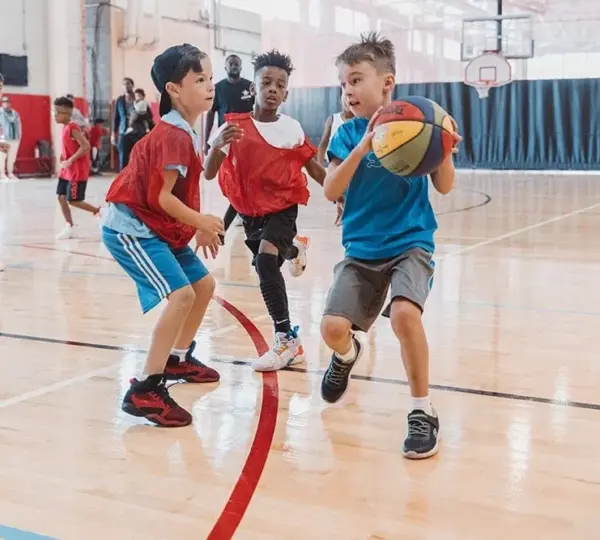
The other neighborhood children, once distant figures across the street, now became her teammates and friends.
They offered tips, celebrated her successes, and cheered her on when she missed. With each practice session, her confidence grew, and the shy observer transformed into an active participant.
Her parents watched from a distance, amazed at the changes they saw in her: not just her skill with the ball, but her newfound courage, joy, and sense of belonging.
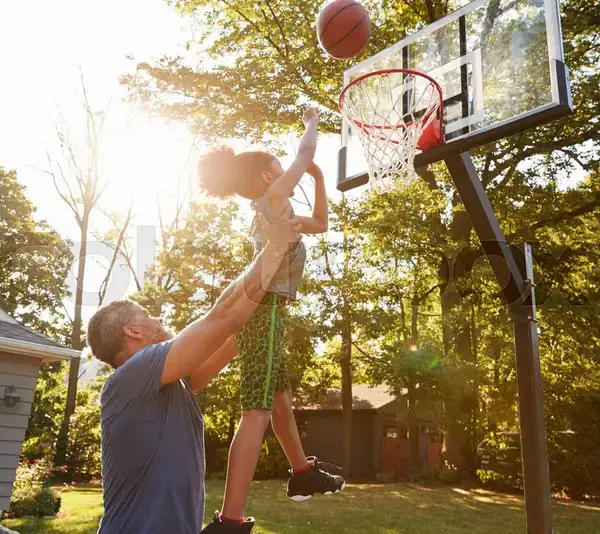
Over the following weeks, Mr. Ellis installed a smaller hoop in her own yard, perfectly scaled to her size.
It was more than just a basketball hoop; it was a symbol of recognition, encouragement, and possibility.
For the young girl, this simple act conveyed that someone had truly seen her, believed in her, and invested in her dreams.
It validated years of quiet practice, imagination, and longing. Each bounce of the ball on that hoop became a rhythm of self-confidence, determination, and joy.
The transformation was not limited to her skills on the court. She began to carry the lessons she had learned—perseverance, patience, courage, and trust—into other areas of her life.
She spoke up more at school, joined new activities, and approached challenges with the quiet confidence that comes from having been recognized, guided, and included.
The memory of the first invitation, the patience of Mr. Ellis, and the support of her parents became a foundation for resilience and self-esteem, proving to her that dreams, no matter how distant they may seem, are achievable with encouragement, opportunity, and dedication.
In the end, the story of this young girl is more than a tale about learning basketball.
It is a story about community, mentorship, resilience, and the quiet power of being seen.
It is a reminder that sometimes, all it takes is one person noticing, one act of kindness, or one invitation to transform a child’s world.
Her journey from quiet longing to joyful participation illustrates how love, encouragement, and patience can nurture potential, build confidence, and instill lifelong lessons that reach far beyond the court.
The young girl learned that belonging is not just about talent or opportunity—it is about courage, guidance, and the willingness of others to open doors and make space for her dreams to grow.
Many children experience a quiet longing for something just beyond their reach.
It is not born from a lack of enthusiasm, ability, or curiosity—it is often simply a reflection of circumstances that place certain dreams just out of grasp.
For one young girl, that dream was deceptively simple: she longed to play basketball.
Not for glory, trophies, or recognition, but for the joy of being part of a game she admired from afar, of feeling included in something that gave others laughter and camaraderie.
She watched the game, studied the movements, and imagined herself running alongside the children, feeling the weight of the ball in her hands and the satisfying thump as it bounced on the asphalt.
Yet for years, that desire remained just beyond reach, quiet but persistent, shaping her world in small, significant ways.
She lived in a warm, friendly neighborhood where the air carried the scent of summer flowers, freshly cut grass, and the occasional waft of dinner cooking in nearby kitchens.
The sound of children’s laughter echoed down the streets in the afternoons, blending with the cheerful chimes of ice cream trucks and the distant hum of bicycles as families moved about their routines.
Her home, though modest, was full of love and small joys: the aroma of homemade bread baking on Sundays, the gentle sound of music playing while her parents worked or cleaned, and the quiet moments when she would curl up with a book in a sunlit corner.
At seven years old, she was imaginative, sensitive, and full of curiosity.
Her small hands were always busy—drawing, crafting, exploring—and her mind constantly raced with questions about the world around her.
Yet despite her energy and creativity, there remained a quiet longing in her heart, a wish that she did not yet know how to voice.
Across the street, in a well-kept yard, stood a basketball hoop that had seen countless games over the years.
Children from the neighborhood would gather there after school, forming teams, competing, cheering, and celebrating each small victory with high-fives and laughter.
The young girl would press her face against the window or linger at the edge of the driveway, watching the fluid motion of the ball, the coordination of hands and feet, and the bursts of joy that accompanied each successful shot.
Her heart ached with a desire to join, yet her shy nature kept her from asking.
Her family did not have a hoop of their own, and she felt unsure how to express the longing that had grown quietly in her chest over months and years.
Still, her determination never faded; it only grew, building like the quiet, steady rhythm of a heartbeat.
In her backyard, she invented her own ways to practice, using imagination as her ally.
She created invisible courts on the concrete, dribbling an imaginary ball, pivoting, and shooting with dedication. Each bounce, each motion, brought a sense of connection, a feeling that she was part of the game even from a distance.
These solitary sessions became sacred to her, moments when the world felt entirely hers, where she could dream and move freely without judgment.
She imagined herself making baskets, defending, passing, and celebrating with friends who had not yet recognized her potential.
Slowly, each day of observation and quiet practice nurtured her skill, resilience, and patience, even if no one else saw.
Her parents, aware of her curiosity but also protective of her shy personality, encouraged her to respect others’ space while gently fostering her confidence.
They reminded her that every journey takes time and that some opportunities must be earned through patience, persistence, and courage.
She absorbed this advice quietly, practicing her skills in secret, replaying the games she watched in her mind, and imagining how it might feel to cross the street and become part of the community she had long admired.
One summer afternoon, everything changed. Mr. Ellis, the neighbor who owned the basketball hoop, had noticed her watching from her driveway.
He had seen the intensity in her eyes, the focus of her movements, and the quiet dedication with which she mimicked the players.
With a gentle smile and kind tone, he asked her if she liked basketball. Her eyes widened with a mix of surprise, excitement, and nervousness.
She nodded, almost too shy to speak, and he invited her to come over and play.
Her heart raced as she crossed the street for the first time, stepping into a world she had dreamed of for years.
The experience was overwhelming in the most joyful way—the sounds of laughter, the rhythmic bounce of the ball, the welcoming gestures of other children, and the supportive guidance of Mr. Ellis all mingled to create a moment she would never forget.
Mr. Ellis patiently taught her the mechanics of the game: how to dribble properly, how to hold her hands when shooting, how to pivot and pass, and most importantly, how to keep trying even when the ball didn’t go in.
The other neighborhood children, once distant figures across the street, now became her teammates and friends.
They offered tips, celebrated her successes, and cheered her on when she missed. With each practice session, her confidence grew, and the shy observer transformed into an active participant.
Her parents watched from a distance, amazed at the changes they saw in her: not just her skill with the ball, but her newfound courage, joy, and sense of belonging.
Over the following weeks, Mr. Ellis installed a smaller hoop in her own yard, perfectly scaled to her size.
It was more than just a basketball hoop; it was a symbol of recognition, encouragement, and possibility.
For the young girl, this simple act conveyed that someone had truly seen her, believed in her, and invested in her dreams.
It validated years of quiet practice, imagination, and longing. Each bounce of the ball on that hoop became a rhythm of self-confidence, determination, and joy.
The transformation was not limited to her skills on the court. She began to carry the lessons she had learned—perseverance, patience, courage, and trust—into other areas of her life.
She spoke up more at school, joined new activities, and approached challenges with the quiet confidence that comes from having been recognized, guided, and included.
The memory of the first invitation, the patience of Mr. Ellis, and the support of her parents became a foundation for resilience and self-esteem, proving to her that dreams, no matter how distant they may seem, are achievable with encouragement, opportunity, and dedication.
In the end, the story of this young girl is more than a tale about learning basketball.
It is a story about community, mentorship, resilience, and the quiet power of being seen.
It is a reminder that sometimes, all it takes is one person noticing, one act of kindness, or one invitation to transform a child’s world.
Her journey from quiet longing to joyful participation illustrates how love, encouragement, and patience can nurture potential, build confidence, and instill lifelong lessons that reach far beyond the court.
The young girl learned that belonging is not just about talent or opportunity—it is about courage, guidance, and the willingness of others to open doors and make space for her dreams to grow.