A beauty icon of the 50s, this promising actress saw her career shattered by Hollywood’s political turmoil and was sidelined for over a decade. In the 50s, she was considered one of Hollywood’s greatest beauties. Discover who she is
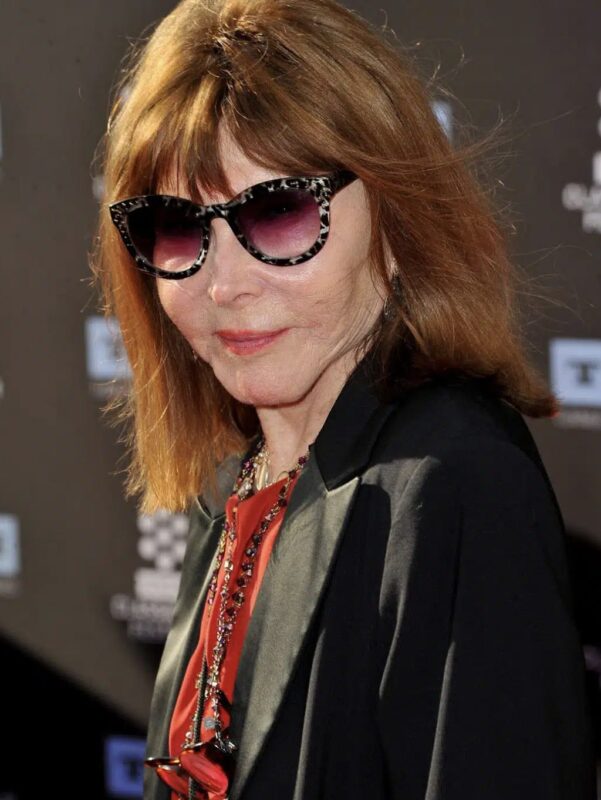
In the 1950s, Hollywood was synonymous with glamour and fame, but also with ruthless cruelty. Behind the spotlight, careers could be destroyed in an instant, as was the case with Lee Grant, an actress of undeniable talent. Her story is that of a rising star suddenly pushed aside, shattered by the powers of the film industry. How did such a promising actress disappear from the radar so abruptly?
An exceptional talent, a striking beauty
Lee Grant captured attention with her hypnotic gaze and stage presence. From her appearance in Detective Story (1951), alongside Kirk Douglas, she established herself as a figure of elegance and refinement. Her performance in this film earned her an Academy Award nomination for Best Supporting Actress, as well as a Best Actress award at the Cannes Film Festival.
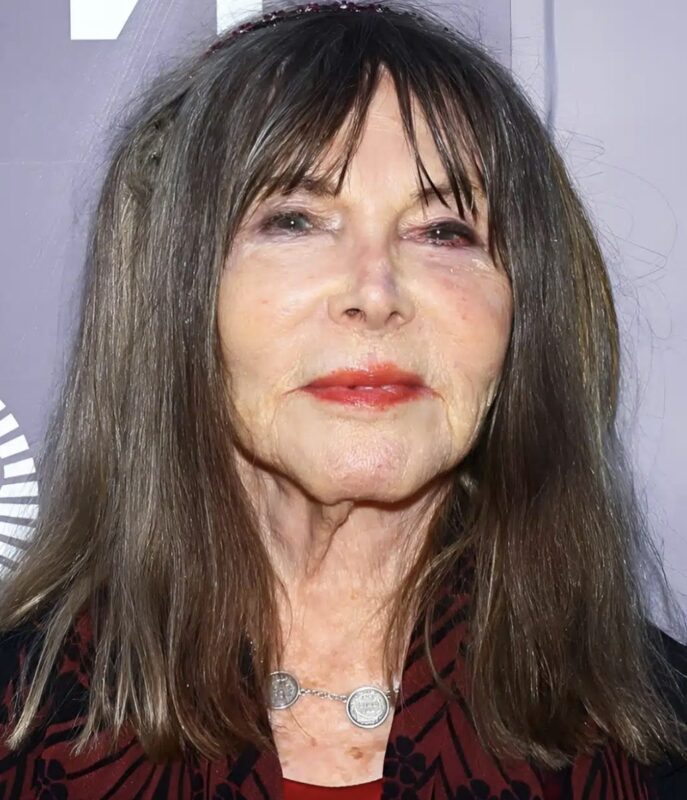
The film studios saw her as a future star. Her career seemed destined for a bright future… until fate decided otherwise.
The sudden halt: a star banned
As Lee Grant’s popularity grew, she was suddenly excluded from the industry. Hollywood, dominated by the major studios, did not give her a second chance. Why was such a talented actress sidelined without explanation?
The reason soon became clear: Grant spoke out during a tribute to actor J. Edward Bromberg, who had been a victim of the McCarthy witch hunts. In the climate of fear and political repression instilled by the House Un-American Activities Committee (HUAC), any stance could destroy a career. Her speech, poorly received, quickly placed her on Hollywood’s blacklist.
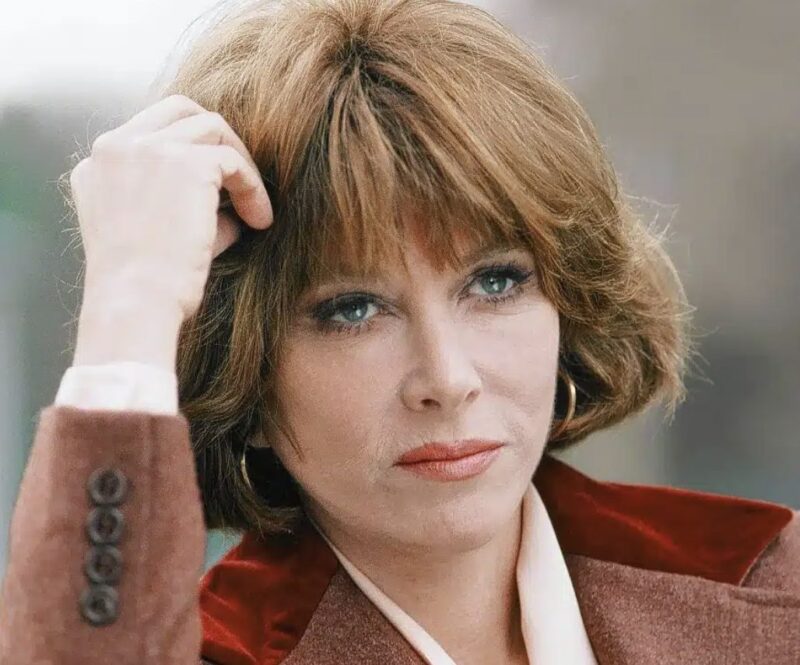
In a matter of days, Lee Grant went from rising star to pariah. For 12 years, she didn’t land significant roles, her ascent crushed by political pressures and a climate of fear.
Persisting in the shadows: an actress who refused to give up
Despite this forced exclusion, Lee Grant did not quit. She survived through some television and theater appearances, but her film career seemed like a distant dream. It wasn’t until the 1960s, when McCarthyism began to wane, that she was able to quietly relaunch her career.
She went on to star in cult films such as Valley of the Dolls (1967), Shampoo (1975), and later Mulholland Drive (2001). In 1976, she finally won the Oscar for Best Supporting Actress for her role in Shampoo.
However, these late successes cannot erase the lost years. Would her career have been different if Hollywood hadn’t shattered it so prematurely?
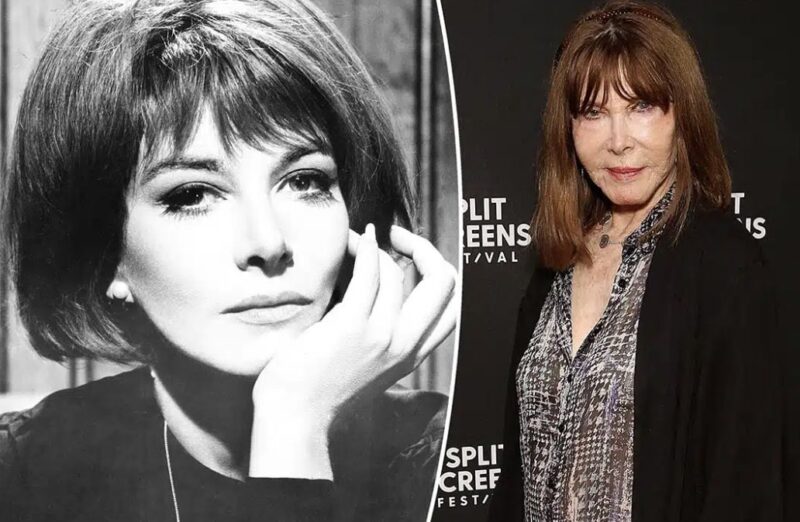
A legacy marked by resilience
Today, Lee Grant is a survivor, an example of how politics and power games can destroy a career in an instant. Although she never fully regained her rightful place among Hollywood’s great stars, her journey remains a powerful testament to the injustices of the past and the sacrifices that some personalities had to make for their convictions.
Her destiny was broken, but she resisted and refused to disappear. This resilience is undoubtedly her greatest victory.