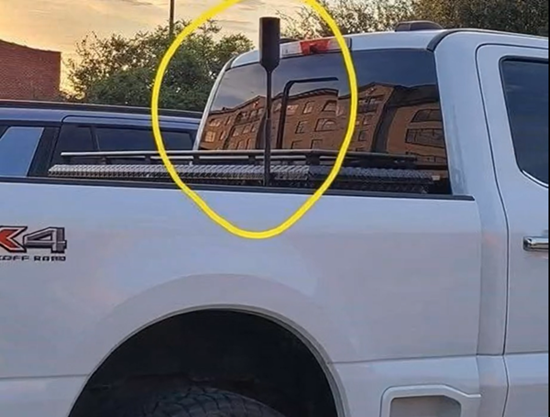
Have you ever glanced up at a tall rod or antenna mounted on the roof of a truck, RV, or even some larger vehicles and automatically assumed it was just an old-fashioned Citizens Band (CB) radio antenna? This assumption was valid for many years, as CB radios were once the primary communication tools for truckers and other long-haul drivers. However, in today’s rapidly evolving technological landscape, many of these antennas serve a very different and far more sophisticated purpose. Rather than simply transmitting voice communication over short distances, these modern antennas are often part of advanced cellular signal booster systems designed to significantly improve mobile phone reception and connectivity.
These devices have become indispensable for anyone who spends extended time on the road or ventures into remote, rural, or mountainous regions where cellular signals are weak, unreliable, or frequently dropped. The reliance on smartphones and mobile devices has grown exponentially in recent years, with people depending on their devices for everything from navigation and communication to entertainment and emergency services. While urban and suburban areas typically have strong and consistent cellular coverage due to the proximity of multiple cell towers, this is not the case in many other parts of the country.
In rural areas, national parks, mountain ranges, deserts, or vast stretches of highway, cellular signals can be faint or nonexistent. This can pose serious challenges, especially for professional drivers, outdoor enthusiasts, or anyone needing to maintain consistent connectivity on the move. Modern cell signal boosters address this challenge by using an external antenna mounted high on the vehicle, usually on the roof, to capture the weak signals that are often undetectable by the internal antennas of smartphones.
The height and placement of this antenna are crucial—it must be positioned to avoid obstructions such as buildings, trees, or the vehicle’s own body, thereby maximizing its ability to catch distant signals from cellular towers that might be miles away. This initial step of signal collection is vital because the internal antenna of a typical mobile phone is relatively small and limited in its range, making it difficult to receive strong signals in challenging environments.
Once the external antenna captures the weak cellular signal, it is fed into an amplifier unit installed inside the vehicle. The amplifier’s function is to boost or strengthen this incoming signal to a level that mobile devices inside the vehicle can easily utilize. The amplified signal is then broadcast throughout the interior of the vehicle via an internal antenna, providing a much stronger and more reliable connection for phones, tablets, laptops, and mobile hotspots used by occupants.
This multi-step process drastically improves various aspects of mobile communication: it enhances voice call clarity by reducing dropped calls and static, accelerates mobile internet speeds which improves the performance of GPS navigation and streaming services, and increases the reliability of text messages and other data transmissions.
This technology has a broad appeal and is especially beneficial to a diverse range of users. Long-haul truck drivers, who often travel through remote parts of the country, rely heavily on these boosters to stay connected with dispatchers, family members, and emergency services. RV owners and campers find them indispensable when exploring off-the-grid locations where reliable cellular coverage is a luxury. Farmers and agricultural workers use signal boosters to maintain communication across sprawling farmland. Even delivery drivers, outdoor enthusiasts, and emergency responders benefit from the enhanced connectivity provided by these devices. The ability to maintain a stable signal can be critical, not only for convenience but for safety and operational efficiency.
Cellular signal boosters today are compatible with multiple network standards, including the latest 4G LTE and 5G networks, allowing users to benefit from faster data speeds and better voice quality. Many models can support multiple devices simultaneously, making it easy for several passengers or workers to remain connected without interference or signal degradation. High-end boosters such as the weBoost Drive Reach and HiBoost Travel 3.0 offer advanced features like wider coverage areas, stronger amplification, and easier installation processes.
While the initial cost of these devices can range from a few hundred to several hundred dollars, many users find this investment worthwhile due to the significant improvements in communication reliability and convenience they experience. Additionally, signal boosters often come with user-friendly installation kits and can be customized to fit different types of vehicles, from large semi-trucks to compact RVs. Some boosters even feature portable designs, making them ideal for people who switch vehicles or want to carry them on camping trips. The ongoing technological advancements in booster design continue to improve their efficiency and ease of use, making them more accessible to a wider audience.
It’s important to note that these signal boosters do not create cellular signals but rather amplify the existing ones. Their effectiveness depends largely on the presence of at least some cellular signal in the area. In places with absolutely no coverage, even the best booster will have limited success. However, in areas with weak or inconsistent signals, these devices can be game-changers.
In conclusion, the tall antenna you see mounted on many trucks, RVs, and other vehicles today is not merely a nostalgic accessory or a relic from the days of CB radios. Instead, it represents a vital piece of modern communication technology. This external antenna, paired with an internal amplifier and rebroadcast system, forms a bridge that connects travelers, workers, and adventurers to the outside world, no matter how remote their location might be. Whether it’s a long cross-country haul, a weekend camping trip, or daily operations on a farm, cell signal boosters provide peace of mind by ensuring that important calls, messages, and data remain accessible. In our increasingly connected world, this simple yet powerful technology helps keep people safe, informed, and engaged, turning even the quietest and most isolated roads into connected corridors of communication.
Have you ever glanced up at a tall rod or antenna mounted on the roof of a truck, RV, or even some larger vehicles and automatically assumed it was just an old-fashioned Citizens Band (CB) radio antenna? This assumption was valid for many years, as CB radios were once the primary communication tools for truckers and other long-haul drivers. However, in today’s rapidly evolving technological landscape, many of these antennas serve a very different and far more sophisticated purpose. Rather than simply transmitting voice communication over short distances, these modern antennas are often part of advanced cellular signal booster systems designed to significantly improve mobile phone reception and connectivity.
These devices have become indispensable for anyone who spends extended time on the road or ventures into remote, rural, or mountainous regions where cellular signals are weak, unreliable, or frequently dropped. The reliance on smartphones and mobile devices has grown exponentially in recent years, with people depending on their devices for everything from navigation and communication to entertainment and emergency services. While urban and suburban areas typically have strong and consistent cellular coverage due to the proximity of multiple cell towers, this is not the case in many other parts of the country.
In rural areas, national parks, mountain ranges, deserts, or vast stretches of highway, cellular signals can be faint or nonexistent. This can pose serious challenges, especially for professional drivers, outdoor enthusiasts, or anyone needing to maintain consistent connectivity on the move. Modern cell signal boosters address this challenge by using an external antenna mounted high on the vehicle, usually on the roof, to capture the weak signals that are often undetectable by the internal antennas of smartphones.
The height and placement of this antenna are crucial—it must be positioned to avoid obstructions such as buildings, trees, or the vehicle’s own body, thereby maximizing its ability to catch distant signals from cellular towers that might be miles away. This initial step of signal collection is vital because the internal antenna of a typical mobile phone is relatively small and limited in its range, making it difficult to receive strong signals in challenging environments.
Once the external antenna captures the weak cellular signal, it is fed into an amplifier unit installed inside the vehicle. The amplifier’s function is to boost or strengthen this incoming signal to a level that mobile devices inside the vehicle can easily utilize. The amplified signal is then broadcast throughout the interior of the vehicle via an internal antenna, providing a much stronger and more reliable connection for phones, tablets, laptops, and mobile hotspots used by occupants.
This multi-step process drastically improves various aspects of mobile communication: it enhances voice call clarity by reducing dropped calls and static, accelerates mobile internet speeds which improves the performance of GPS navigation and streaming services, and increases the reliability of text messages and other data transmissions.
This technology has a broad appeal and is especially beneficial to a diverse range of users. Long-haul truck drivers, who often travel through remote parts of the country, rely heavily on these boosters to stay connected with dispatchers, family members, and emergency services. RV owners and campers find them indispensable when exploring off-the-grid locations where reliable cellular coverage is a luxury. Farmers and agricultural workers use signal boosters to maintain communication across sprawling farmland. Even delivery drivers, outdoor enthusiasts, and emergency responders benefit from the enhanced connectivity provided by these devices. The ability to maintain a stable signal can be critical, not only for convenience but for safety and operational efficiency.
Cellular signal boosters today are compatible with multiple network standards, including the latest 4G LTE and 5G networks, allowing users to benefit from faster data speeds and better voice quality. Many models can support multiple devices simultaneously, making it easy for several passengers or workers to remain connected without interference or signal degradation. High-end boosters such as the weBoost Drive Reach and HiBoost Travel 3.0 offer advanced features like wider coverage areas, stronger amplification, and easier installation processes.
While the initial cost of these devices can range from a few hundred to several hundred dollars, many users find this investment worthwhile due to the significant improvements in communication reliability and convenience they experience. Additionally, signal boosters often come with user-friendly installation kits and can be customized to fit different types of vehicles, from large semi-trucks to compact RVs. Some boosters even feature portable designs, making them ideal for people who switch vehicles or want to carry them on camping trips. The ongoing technological advancements in booster design continue to improve their efficiency and ease of use, making them more accessible to a wider audience.
It’s important to note that these signal boosters do not create cellular signals but rather amplify the existing ones. Their effectiveness depends largely on the presence of at least some cellular signal in the area. In places with absolutely no coverage, even the best booster will have limited success. However, in areas with weak or inconsistent signals, these devices can be game-changers.
In conclusion, the tall antenna you see mounted on many trucks, RVs, and other vehicles today is not merely a nostalgic accessory or a relic from the days of CB radios. Instead, it represents a vital piece of modern communication technology. This external antenna, paired with an internal amplifier and rebroadcast system, forms a bridge that connects travelers, workers, and adventurers to the outside world, no matter how remote their location might be. Whether it’s a long cross-country haul, a weekend camping trip, or daily operations on a farm, cell signal boosters provide peace of mind by ensuring that important calls, messages, and data remain accessible. In our increasingly connected world, this simple yet powerful technology helps keep people safe, informed, and engaged, turning even the quietest and most isolated roads into connected corridors of communication.