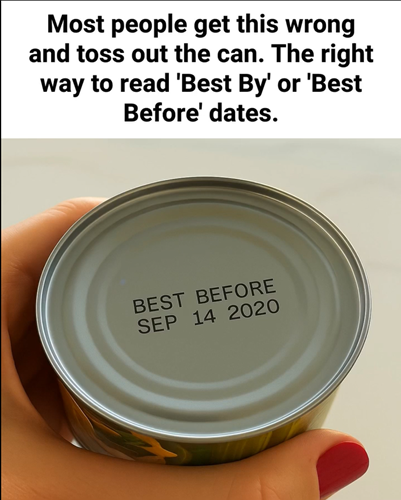
Most kitchens across the world have at least one forgotten can of food hiding in the back of a pantry shelf or tucked away behind other groceries. It might be a can of beans, soup, vegetables, or even fruit. When the expiration date or “best by” date on the label passes, many people instinctively think the food is no longer safe to consume and promptly throw it away. However, this common reaction is often unnecessary and based on a misunderstanding of what those dates really mean. In fact, the dates printed on canned goods usually refer to the product’s peak quality rather than its safety.
This means that while the flavor, texture, or appearance of the food might deteriorate over time, the food itself can still be safe to eat for months or even years beyond the printed date, provided the can has been stored correctly and remains undamaged. Understanding the different types of date labels found on food packaging is important. “Best By,” “Best Before,” and “Use By” dates often confuse consumers. The terms “Best By” or “Best Before” indicate the period during which the manufacturer guarantees the best taste and quality of the product, but they do not mean the food becomes unsafe immediately after that date.
“Use By” dates are generally used on highly perishable foods such as dairy products, fresh meat, or ready-to-eat meals, and while these dates are more closely linked to food safety, they still primarily reflect quality rather than an absolute safety cutoff. In contrast, canned foods, which are sealed and preserved under strict conditions, are much more shelf-stable and resistant to spoilage if stored in appropriate conditions.
Proper storage plays a crucial role in the longevity and safety of canned foods. Ideally, cans should be kept in a cool, dry place, away from direct sunlight, excessive heat, or freezing temperatures. Heat and moisture can accelerate the breakdown of the can’s materials and the food inside, potentially leading to spoilage or the growth of harmful bacteria. Extreme temperature fluctuations, such as freezing followed by thawing, can also compromise the integrity of the can and affect food safety.
The acidity level of canned foods is a key factor in determining how long they will last and retain their quality. High-acid foods, such as tomatoes, citrus fruits, pineapples, and other fruit-based products, have a shorter shelf life because their acidity can slowly erode the can’s lining over time, which may eventually affect the flavor or safety of the food. For best taste and quality, these high-acid foods are typically recommended to be consumed within 12 to 18 months from the production date. On the other hand, low-acid canned foods, which include vegetables like beans, corn, peas, potatoes, as well as canned meats, fish, and poultry, are more chemically stable and can last significantly longer — often three to five years or even beyond if the cans are stored properly and remain intact.
According to the United States Department of Agriculture (USDA), the key indicator of canned food safety is the condition of the can itself. If a can is free from visible damage such as rust, dents (especially those that affect the seams), leaks, or bulging, it is usually safe to consume the food inside, even years after the printed expiration or “best by” date. The sealing process used in canning prevents contamination and spoilage when done correctly, and a sturdy, undamaged can creates an airtight environment that preserves food safely for extended periods.
However, before eating canned food that is past its labeled date, it is very important to inspect it carefully and use your senses to detect any signs that the food may have spoiled. There are several red flags that should never be ignored, including:
-
Bulging or swollen lids or cans: This often indicates the presence of gas produced by bacteria inside the can, which can be a sign of dangerous contamination such as botulism.
-
Leaks or sticky residue: Any evidence of leakage or sticky spots around the can suggests a compromised seal and potential bacterial growth.
-
Rust and corrosion: Rust can weaken the can’s structure, causing tiny holes that may let in bacteria or air.
-
Severe dents, especially on the seams: Deep dents can break the can’s seal or damage its lining, making the contents unsafe.
-
Unusual or foul odor when opened: If the food smells off, sour, or strange, do not taste it. Bad odors are a clear warning sign of spoilage.
-
Discoloration or mold: Visible mold or abnormal color changes in the food indicate that it has gone bad.
If any of these signs are present, the safest choice is to discard the can immediately. Consuming spoiled canned food can lead to serious foodborne illnesses, including botulism, which is rare but life-threatening and requires urgent medical attention.
By learning and understanding these facts, consumers can reduce unnecessary food waste and save money by not discarding canned goods prematurely. Instead of automatically throwing out cans past their expiration dates, it is better to check the physical condition of the cans and the sensory qualities of the food to make an informed decision. Properly stored and inspected canned foods can remain nutritious and safe for months or even years beyond the labeled dates, making them valuable pantry staples, especially during emergencies or periods of limited access to fresh food.
In conclusion, expiration dates on canned food primarily serve as indicators of quality rather than strict safety limits. The key to determining whether expired canned food is safe to eat lies in proper storage, careful inspection, and the use of common sense. When handled correctly, canned foods can provide safe, long-lasting nourishment and help reduce food waste in households. Remember, your senses are a powerful tool — if in doubt about the smell, appearance, or condition of the canned food, it’s always best to err on the side of caution and discard the item. But with careful attention, you can confidently make the most of your canned pantry supplies without risking your health.
Most kitchens across the world have at least one forgotten can of food hiding in the back of a pantry shelf or tucked away behind other groceries. It might be a can of beans, soup, vegetables, or even fruit. When the expiration date or “best by” date on the label passes, many people instinctively think the food is no longer safe to consume and promptly throw it away. However, this common reaction is often unnecessary and based on a misunderstanding of what those dates really mean. In fact, the dates printed on canned goods usually refer to the product’s peak quality rather than its safety.
This means that while the flavor, texture, or appearance of the food might deteriorate over time, the food itself can still be safe to eat for months or even years beyond the printed date, provided the can has been stored correctly and remains undamaged. Understanding the different types of date labels found on food packaging is important. “Best By,” “Best Before,” and “Use By” dates often confuse consumers. The terms “Best By” or “Best Before” indicate the period during which the manufacturer guarantees the best taste and quality of the product, but they do not mean the food becomes unsafe immediately after that date.
“Use By” dates are generally used on highly perishable foods such as dairy products, fresh meat, or ready-to-eat meals, and while these dates are more closely linked to food safety, they still primarily reflect quality rather than an absolute safety cutoff. In contrast, canned foods, which are sealed and preserved under strict conditions, are much more shelf-stable and resistant to spoilage if stored in appropriate conditions.
Proper storage plays a crucial role in the longevity and safety of canned foods. Ideally, cans should be kept in a cool, dry place, away from direct sunlight, excessive heat, or freezing temperatures. Heat and moisture can accelerate the breakdown of the can’s materials and the food inside, potentially leading to spoilage or the growth of harmful bacteria. Extreme temperature fluctuations, such as freezing followed by thawing, can also compromise the integrity of the can and affect food safety.
The acidity level of canned foods is a key factor in determining how long they will last and retain their quality. High-acid foods, such as tomatoes, citrus fruits, pineapples, and other fruit-based products, have a shorter shelf life because their acidity can slowly erode the can’s lining over time, which may eventually affect the flavor or safety of the food. For best taste and quality, these high-acid foods are typically recommended to be consumed within 12 to 18 months from the production date. On the other hand, low-acid canned foods, which include vegetables like beans, corn, peas, potatoes, as well as canned meats, fish, and poultry, are more chemically stable and can last significantly longer — often three to five years or even beyond if the cans are stored properly and remain intact.
According to the United States Department of Agriculture (USDA), the key indicator of canned food safety is the condition of the can itself. If a can is free from visible damage such as rust, dents (especially those that affect the seams), leaks, or bulging, it is usually safe to consume the food inside, even years after the printed expiration or “best by” date. The sealing process used in canning prevents contamination and spoilage when done correctly, and a sturdy, undamaged can creates an airtight environment that preserves food safely for extended periods.
However, before eating canned food that is past its labeled date, it is very important to inspect it carefully and use your senses to detect any signs that the food may have spoiled. There are several red flags that should never be ignored, including:
-
Bulging or swollen lids or cans: This often indicates the presence of gas produced by bacteria inside the can, which can be a sign of dangerous contamination such as botulism.
-
Leaks or sticky residue: Any evidence of leakage or sticky spots around the can suggests a compromised seal and potential bacterial growth.
-
Rust and corrosion: Rust can weaken the can’s structure, causing tiny holes that may let in bacteria or air.
-
Severe dents, especially on the seams: Deep dents can break the can’s seal or damage its lining, making the contents unsafe.
-
Unusual or foul odor when opened: If the food smells off, sour, or strange, do not taste it. Bad odors are a clear warning sign of spoilage.
-
Discoloration or mold: Visible mold or abnormal color changes in the food indicate that it has gone bad.
If any of these signs are present, the safest choice is to discard the can immediately. Consuming spoiled canned food can lead to serious foodborne illnesses, including botulism, which is rare but life-threatening and requires urgent medical attention.
By learning and understanding these facts, consumers can reduce unnecessary food waste and save money by not discarding canned goods prematurely. Instead of automatically throwing out cans past their expiration dates, it is better to check the physical condition of the cans and the sensory qualities of the food to make an informed decision. Properly stored and inspected canned foods can remain nutritious and safe for months or even years beyond the labeled dates, making them valuable pantry staples, especially during emergencies or periods of limited access to fresh food.
In conclusion, expiration dates on canned food primarily serve as indicators of quality rather than strict safety limits. The key to determining whether expired canned food is safe to eat lies in proper storage, careful inspection, and the use of common sense. When handled correctly, canned foods can provide safe, long-lasting nourishment and help reduce food waste in households. Remember, your senses are a powerful tool — if in doubt about the smell, appearance, or condition of the canned food, it’s always best to err on the side of caution and discard the item. But with careful attention, you can confidently make the most of your canned pantry supplies without risking your health.